Losing a tooth can be an unsettling experience. Whether the tooth was lost because of an injury, advanced decay, gum disease, or a necessary extraction, many people find themselves wondering the same thing: “How quickly do I need to replace it?”
For some individuals, replacing a missing tooth becomes a top priority. Others may feel that if the gap isn’t highly visible or isn’t causing immediate pain, treatment can wait indefinitely. While this reaction is understandable, delaying tooth replacement often creates a chain reaction of oral health problems that become more complicated and more expensive to address over time.
A missing tooth is about much more than appearance. Every tooth in your mouth plays an important role in maintaining proper function, supporting neighboring teeth, preserving jawbone health, and helping you eat and speak comfortably. When Losing a tooth can be an unsettling experience. Whether the tooth was lost because of an injury, advanced decay, gum disease, or a necessary extraction, many people find themselves wondering the same thing: “How quickly do I need to replace it?”
For some individuals, replacing a missing tooth becomes a top priority. Others may feel that if the gap isn’t highly visible or isn’t causing immediate pain, treatment can wait indefinitely. While this reaction is understandable, delaying tooth replacement often creates a chain reaction of oral health problems that become more complicated and more expensive to address over time.
A missing tooth is about much more than appearance. Every tooth in your mouth plays an important role in maintaining proper function, supporting neighboring teeth, preserving jawbone health, and helping you eat and speak comfortably. When even one tooth is lost, changes begin occurring throughout the mouth.
For residents of Priest River and surrounding communities, understanding what happens after tooth loss can help highlight why timely treatment is often one of the best investments a person can make in their long-term oral health.
Why Every Tooth Matters
It’s easy to think of teeth as individual structures that work independently. In reality, teeth function as part of a carefully balanced system.
Each tooth supports neighboring teeth and helps distribute biting forces evenly across the mouth. Together, the teeth maintain proper alignment, support facial structure, and contribute to efficient chewing.
When a tooth is removed or lost, that balance changes.
The surrounding teeth no longer have the same level of support. Bite forces become unevenly distributed. Over time, the absence of a single tooth can affect areas of the mouth far beyond the location of the original gap.
Even if a missing tooth doesn’t seem like a major concern initially, the long-term consequences can be surprisingly significant.
The Immediate Effects of Tooth Loss
Shortly after losing a tooth, the most noticeable change is often the visible gap itself.
Depending on the location of the missing tooth, patients may feel self-conscious when smiling, speaking, or interacting socially. However, cosmetic concerns are only one part of the equation.
Many people also notice changes in chewing efficiency. Foods that were once easy to eat may suddenly require extra effort. Some individuals begin chewing primarily on one side of the mouth to compensate for the missing tooth.
Speech may also be affected, particularly when front teeth are involved. Certain sounds rely on precise tongue and tooth positioning, and missing teeth can sometimes alter pronunciation patterns.
These functional changes often occur quickly after tooth loss.
The Hidden Problem: Bone Loss Begins Early
One of the most important reasons to replace a missing tooth involves the health of the jawbone.
Natural tooth roots perform an essential function that many people never think about. Every time you bite or chew, the roots stimulate the surrounding jawbone.
This stimulation helps maintain bone density and strength.
When a tooth is lost, the root is no longer present to provide that stimulation. As a result, the body begins to resorb or break down the bone in that area.
This process can start surprisingly soon after tooth loss.
The body essentially recognizes that the bone is no longer needed to support a tooth and gradually reallocates resources elsewhere.
Over months and years, significant bone loss can occur.
This bone deterioration is one of the primary reasons dental professionals often recommend replacing missing teeth sooner rather than later.
How Bone Loss Changes Facial Appearance
Most people associate missing teeth with changes in their smile. However, tooth loss can also affect facial appearance in less obvious ways.
The jawbone provides structural support for the cheeks, lips, and lower face. As bone volume decreases, these soft tissues may lose some of their underlying support.
Over time, this can contribute to a sunken or aged appearance.
Patients who experience multiple missing teeth often notice more dramatic changes in facial structure. The lower portion of the face may appear shorter, and wrinkles around the mouth may become more noticeable.
These changes typically occur gradually, making them difficult to recognize until significant bone loss has already occurred.
Replacing missing teeth can help preserve both oral function and facial support.
Neighboring Teeth Begin to Shift
Teeth naturally seek stability and balance.
When a tooth is lost, the neighboring teeth often begin moving toward the empty space. This process may happen slowly, but it can have substantial consequences.
Teeth adjacent to the gap may tilt inward. Opposing teeth may begin drifting out of position because they no longer have a tooth to bite against.
As teeth shift, the bite can become misaligned.
Even minor changes in alignment may increase wear on certain teeth, contribute to jaw discomfort, and make oral hygiene more challenging.
The longer a missing tooth remains untreated, the more likely these positional changes become.
Eventually, correcting the resulting alignment issues may require additional treatment beyond simply replacing the lost tooth.
Increased Risk of Additional Tooth Loss
Tooth loss often creates a domino effect.
When chewing forces become uneven, the remaining teeth may experience additional stress. Some teeth are forced to work harder than they were designed to handle.
Over time, this increased workload can contribute to wear, fractures, and other complications.
Patients who lose one tooth and delay replacement may find themselves facing problems with neighboring teeth years later.
This is one reason dental professionals often view tooth replacement as a preventive measure rather than simply a cosmetic one.
Protecting the remaining teeth helps support long-term oral health and stability.
Challenges with Eating and Nutrition
Chewing is a complex process that depends on multiple teeth working together efficiently.
Missing teeth can make certain foods more difficult to eat, particularly foods that are naturally healthy but require substantial chewing.
Fresh fruits, vegetables, lean proteins, nuts, and other nutritious foods may become less comfortable to consume.
As a result, some individuals begin avoiding these foods and choosing softer, more processed alternatives.
Over time, these dietary changes can affect overall nutrition and wellness.
While many people adapt surprisingly well to tooth loss, adaptation does not necessarily mean optimal function.
Replacing missing teeth often restores greater chewing efficiency and allows patients to enjoy a wider variety of foods comfortably.
Speech Changes Can Develop
Speech relies on precise coordination between the tongue, lips, teeth, and airflow.
When a tooth is missing, especially in the front of the mouth, certain sounds may become more difficult to pronounce clearly.
Patients sometimes notice subtle speech changes immediately after tooth loss. Others develop compensatory speaking habits over time.
While these changes may seem minor, they can affect confidence during conversations, presentations, and social interactions.
Restoring missing teeth often helps reestablish normal speech patterns and improve communication comfort.
Emotional and Social Effects of Missing Teeth
Tooth loss affects more than physical health.
Many individuals report feeling less confident about their appearance after losing a tooth. They may smile less frequently, avoid photographs, or become self-conscious during social interactions.
These emotional effects are particularly common when missing teeth are visible during speech or smiling.
Confidence plays an important role in both personal and professional relationships. Feeling uncomfortable about one’s smile can influence communication, self-esteem, and overall quality of life.
Replacing a missing tooth often provides benefits that extend well beyond oral function.
Many patients experience renewed confidence and greater comfort in social situations.
Why Waiting Can Increase Treatment Complexity
One of the most important considerations following tooth loss is that treatment options may become more complicated as time passes.
As bone loss progresses and neighboring teeth shift, replacing the missing tooth may require additional procedures.
For example, some patients eventually need bone grafting to rebuild lost jawbone before dental implant placement can be considered.
Others may require orthodontic treatment to correct shifting teeth and restore proper spacing.
Addressing tooth loss earlier often helps preserve more treatment options and may simplify the overall restoration process.
This is one reason dental professionals encourage patients to explore replacement options promptly rather than waiting for problems to develop.
Understanding Tooth Replacement Options
Modern dentistry offers several effective solutions for replacing missing teeth.
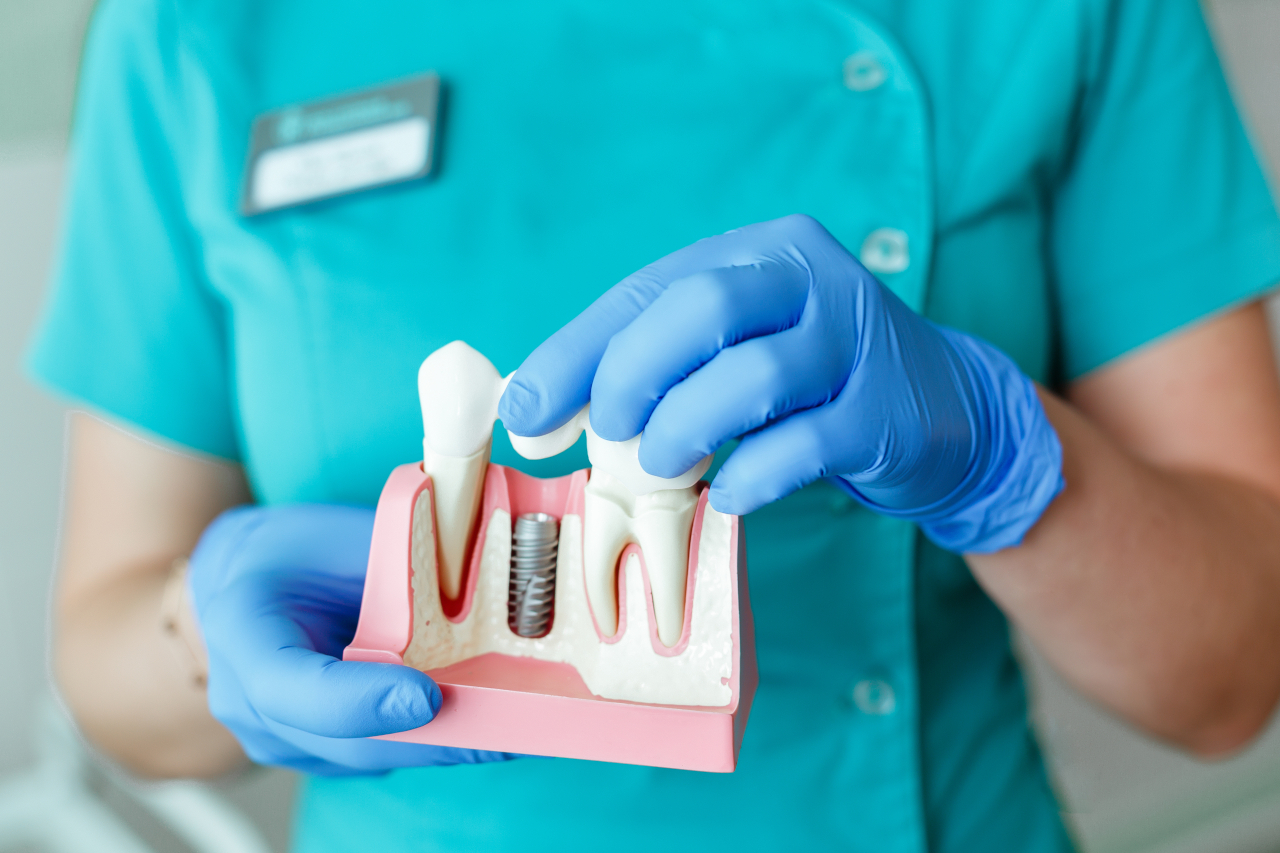
Dental implants are widely considered one of the most comprehensive options because they replace both the visible portion of the tooth and the root structure beneath the gums.
By integrating with the jawbone, implants help preserve bone density while providing excellent stability and function.
Dental bridges represent another common option. Bridges use neighboring teeth for support while replacing the missing tooth within the gap.
In some situations, removable dentures may also provide an appropriate solution.
The ideal treatment depends on factors such as oral health, bone availability, personal preferences, and overall treatment goals.
A professional evaluation can help determine the most appropriate approach for each patient.
Benefits of Replacing a Missing Tooth
Replacing a missing tooth offers numerous long-term advantages.
Patients often experience improved chewing ability, enhanced speech clarity, greater comfort, and increased confidence.
Additional benefits may include preserving jawbone health, preventing neighboring teeth from shifting, maintaining facial structure, and reducing the risk of future complications.
Many patients also appreciate the peace of mind that comes from restoring their smile and protecting their long-term oral health.
When viewed from a preventive perspective, tooth replacement can help avoid many of the issues associated with untreated tooth loss.
Protecting Your Smile for the Future
A missing tooth may seem like a small issue at first, especially if it is not causing pain. However, the effects of tooth loss extend far beyond the visible gap.
Bone loss, shifting teeth, bite changes, chewing difficulties, and reduced confidence can all develop over time. The longer treatment is delayed, the greater the potential for additional complications.
Fortunately, modern dentistry offers effective solutions that can restore both function and appearance while supporting long-term oral health.
For many patients, replacing a missing tooth is not simply about improving their smile today. It is about protecting their oral health for years to come.
If you have lost a tooth and are wondering about your options, now is an excellent time to explore available treatments before additional changes occur.
Ready to learn more about replacing a missing tooth? Contact Priest River Dental at (208) 448-2694 to schedule a consultation and discover which tooth replacement option may be right for you.