Have you ever woken up with your mouth feeling unusually dry, struggled to swallow certain foods, or found yourself reaching for water throughout the day? Occasional mouth dryness is common, especially after sleeping or spending time outdoors. However, persistent dry mouth may indicate a problem that deserves professional attention.
Dry mouth, medically known as xerostomia, occurs when the mouth does not have enough saliva to remain comfortably moist. Although it may seem like a minor inconvenience, saliva plays an essential role in protecting teeth, supporting digestion, and maintaining healthy oral tissues.
When saliva production decreases, everyday activities such as speaking, chewing, swallowing, and wearing dentures can become uncomfortable. Additionally, persistent dry mouth may increase the risk of cavities, gum irritation, and oral infections.
Fortunately, dry mouth treatment can help patients manage symptoms, identify contributing factors, and protect their long-term oral health.
For patients in Priest River, Oldtown, Newport, and surrounding communities, understanding what causes dry mouth is the first step toward finding relief. This guide explains common symptoms, potential causes, dental complications, and practical ways to keep your mouth healthier and more comfortable.
What Is Dry Mouth?
Dry mouth is a condition characterized by an uncomfortable feeling of dryness inside the mouth. It can occur when the salivary glands produce less saliva than the mouth needs or when the mouth feels dry despite measurable saliva production.
Saliva does much more than keep your mouth moist. It helps wash away food particles, neutralize acids produced by bacteria, and supply minerals that protect tooth enamel.
Saliva also lubricates oral tissues, making it easier to chew, swallow, and speak comfortably. In addition, it contains substances that help control microorganisms naturally present in the mouth.
When saliva becomes insufficient, these protective functions may become less effective.
Occasional dryness does not necessarily indicate a serious problem. However, symptoms that continue for days or weeks, interfere with eating, or repeatedly disturb sleep should be evaluated.
Common Symptoms of Dry Mouth
Dry mouth does not affect everyone in exactly the same way. Some patients notice constant thirst, while others experience changes in taste or difficulty eating certain foods.
Common symptoms include:
- A sticky, dry, or uncomfortable feeling inside the mouth
- Frequent thirst or a need to sip water throughout the day
- Difficulty chewing or swallowing dry foods
- A dry or rough-feeling tongue
- Cracked lips or irritation at the corners of the mouth
- Persistent bad breath
- Changes in taste
- Difficulty speaking for extended periods
- Burning or soreness inside the mouth
- Discomfort when wearing removable dentures
Some people also notice that they wake up repeatedly during the night because their mouth feels dry.
Although these symptoms can be frustrating, identifying the underlying cause can help guide an effective management plan.
What Causes Persistent Dry Mouth?
Dry mouth can develop for several reasons. In many cases, more than one factor contributes to the problem.
Medications
Medication use is one of the most common contributors to dry mouth. Certain medications used for allergies, depression, anxiety, high blood pressure, and other conditions can affect saliva production.
Patients taking several medications may be particularly likely to experience dryness.
However, never stop or change a prescribed medication without consulting the healthcare professional responsible for managing it. Your dentist and medical provider can work together to identify appropriate solutions.
Dehydration
Not drinking enough fluids can temporarily reduce the amount of moisture available in the mouth.
Dehydration may occur during illness, after strenuous exercise, or when spending extended periods in warm weather.
Drinking water regularly can help address dryness related to inadequate fluid intake, although persistent symptoms may require additional evaluation.
Mouth breathing
Breathing through the mouth, particularly while sleeping, can cause moisture to evaporate from oral tissues.
Nasal congestion, allergies, and certain sleep-related breathing conditions may contribute to this habit.
Patients who frequently wake up with a dry mouth may benefit from discussing their breathing patterns with an appropriate healthcare professional.
Medical conditions
Some medical conditions can affect the salivary glands or the body’s ability to regulate moisture.
For example, Sjögren’s disease is an autoimmune condition that can interfere with saliva and tear production. Diabetes and certain other health conditions may also be associated with oral dryness.
Because dry mouth can have medical causes, persistent symptoms should not automatically be attributed to aging or dehydration.
Cancer treatment
Radiation treatment involving the head or neck can affect salivary gland function. Certain cancer medications may also contribute to temporary or persistent mouth dryness.
Patients receiving cancer treatment may benefit from coordinated dental and medical care to help protect oral tissues and reduce complications.
Why Saliva Is Important for Healthy Teeth
Saliva is one of the mouth’s natural defense systems against tooth decay.
Throughout the day, bacteria feed on sugars and other carbohydrates left behind after eating. As these bacteria process food particles, they produce acids that can weaken enamel.
Normally, saliva helps dilute and neutralize these acids while washing away debris. It also supplies minerals that support the natural repair of early enamel damage.
When saliva production decreases, acids may remain in contact with teeth for longer periods. Consequently, patients with persistent dry mouth can face an increased risk of cavities.
This is especially important around the gumline, between teeth, and near existing fillings or crowns.
Routine visits through Priest River Dental can help identify early signs of decay and determine whether additional preventive care is appropriate.
Can Dry Mouth Cause Cavities?
Yes. Persistent dry mouth is an established risk factor for dental decay.
Without adequate saliva, the mouth has less protection against acid-producing bacteria. Plaque may accumulate more readily, and enamel may become more vulnerable to damage.
Some patients experience cavities in areas that were previously healthy, including along the gumline or around dental restorations.
Additionally, dry mouth can make it uncomfortable to eat certain foods, leading some people to rely on frequent snacks, sweetened beverages, or candies for relief.
Unfortunately, repeatedly consuming sugary products can increase cavity risk further.
Choosing sugar-free alternatives and following a personalized preventive dental routine can help reduce these risks.
How Dry Mouth Affects Your Gums and Oral Tissues
Teeth are not the only structures affected by insufficient saliva.
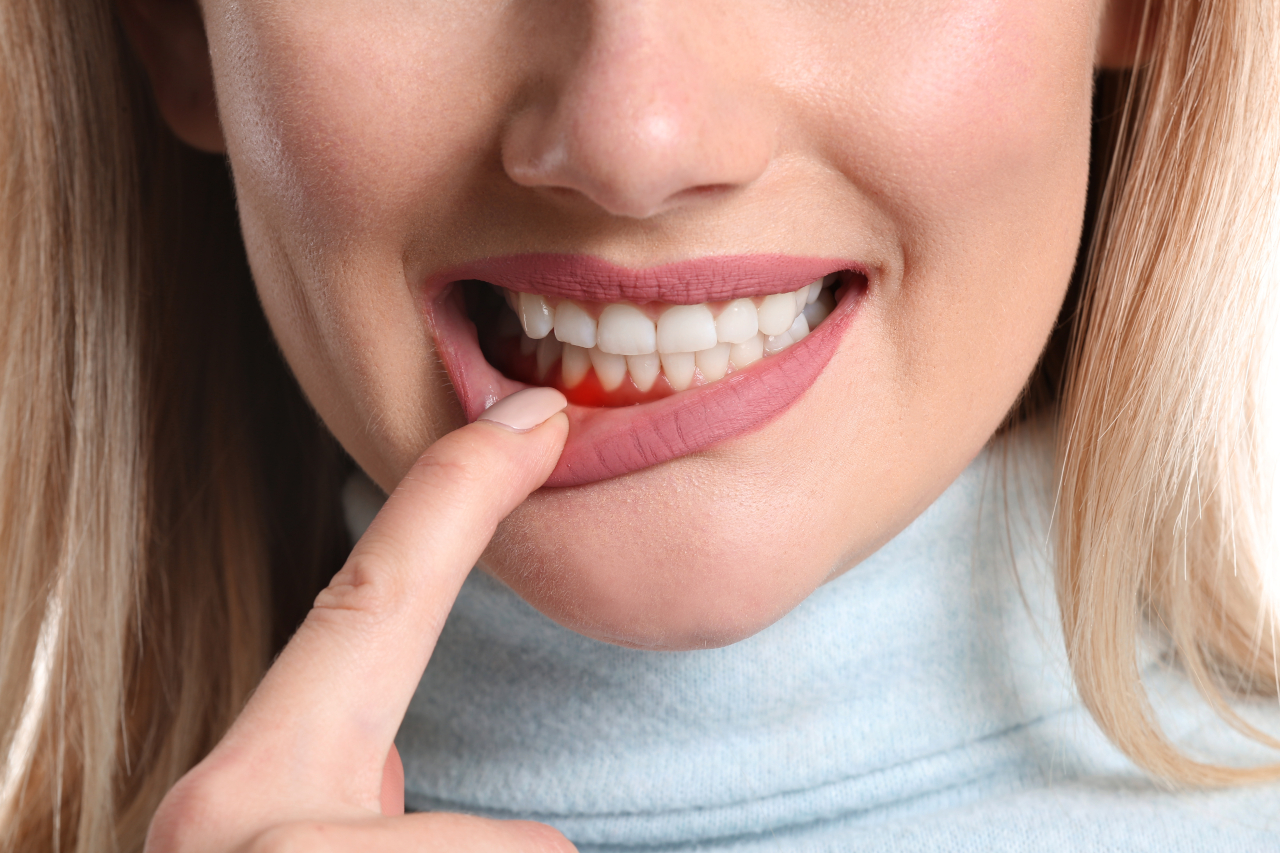
Dry oral tissues may become irritated more easily. Patients sometimes experience a burning sensation, soreness, cracked lips, or discomfort beneath dentures.
Saliva also helps maintain a balanced oral environment. When saliva is reduced, certain microorganisms may grow more easily, increasing the risk of conditions such as oral thrush.
Although dry mouth does not directly cause every type of gum disease, it can make maintaining oral hygiene more difficult and contribute to conditions that affect gum comfort.
For this reason, treatment should address both symptom relief and the protection of surrounding oral tissues.
How Dentists Diagnose Dry Mouth
Dry mouth treatment begins with understanding why the symptoms are occurring.
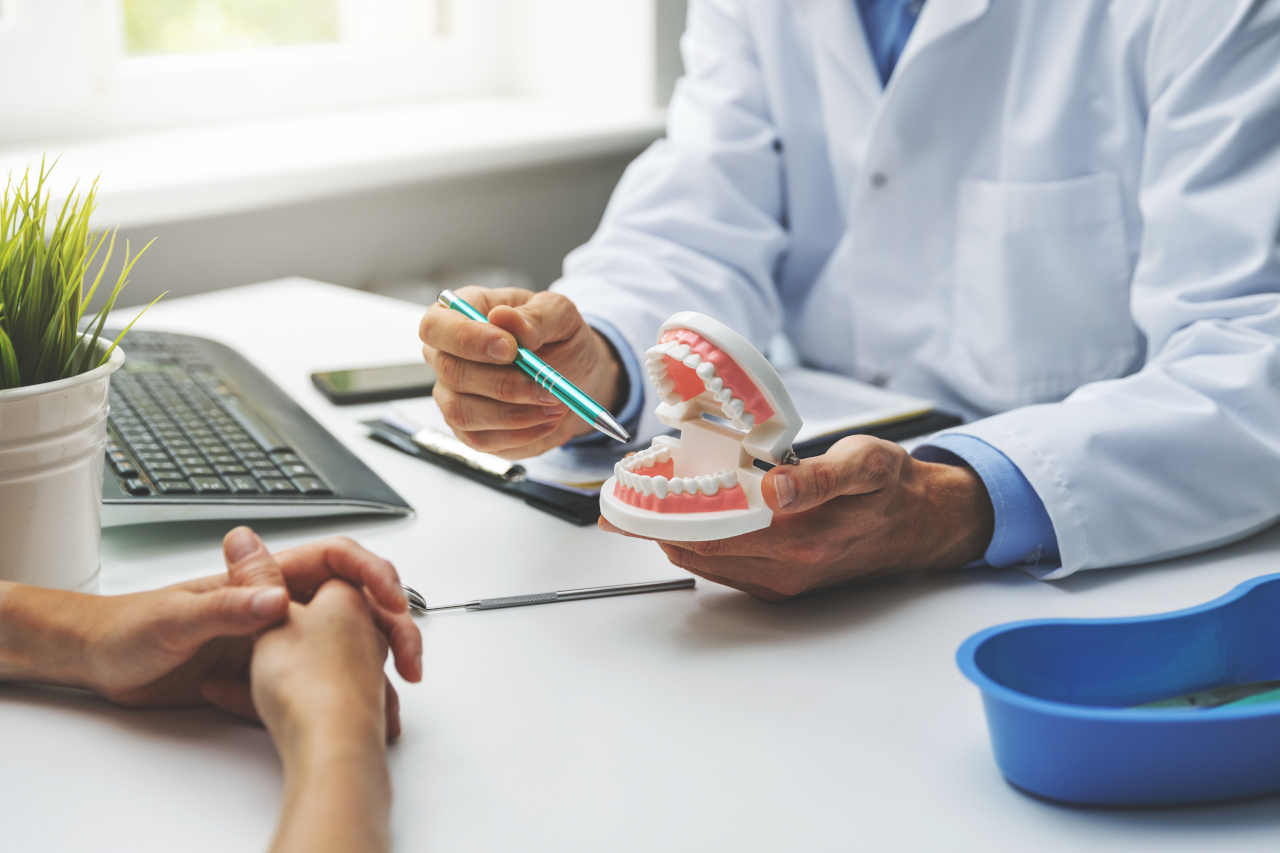
During an examination, your dentist may ask when the dryness started, whether it occurs throughout the day, and whether certain medications or activities make it worse.
Your medical history, current medications, oral hygiene habits, and other symptoms can provide valuable clues.
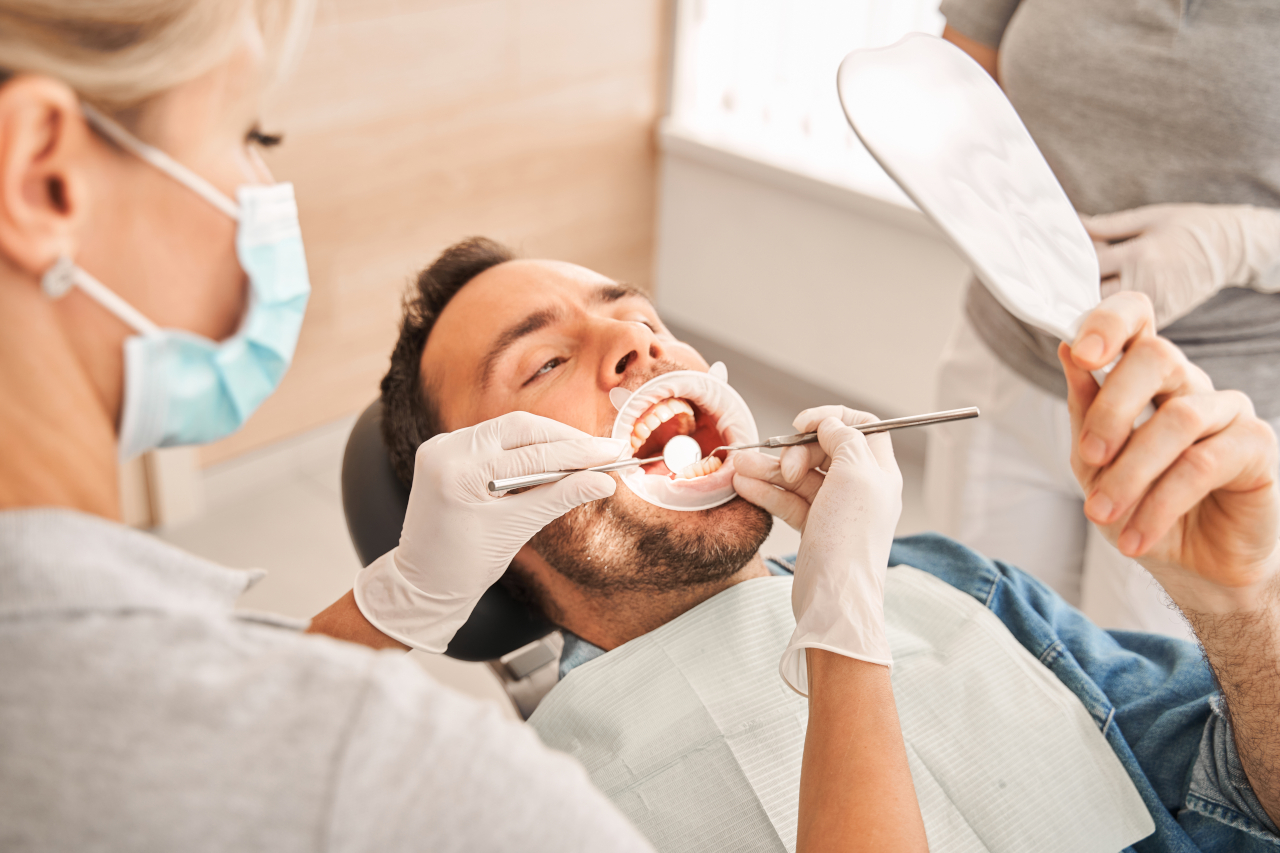
The dentist may also examine the tongue, cheeks, gums, and teeth for signs of reduced moisture, irritation, decay, or infection.
In some cases, additional medical evaluation or testing may be recommended to investigate salivary gland function or possible underlying conditions.
Identifying the cause helps determine whether treatment should focus on increasing moisture, managing symptoms, preventing dental complications, or coordinating care with another healthcare professional.
Dry Mouth Treatment Options
There is no single treatment that works for every patient because dry mouth has many possible causes.
However, several strategies may help improve comfort and protect oral health.
Saliva substitutes and moisturizing products
Over-the-counter oral moisturizing gels, sprays, and rinses may provide temporary relief by lubricating dry tissues.
These products do not necessarily restore natural saliva production, but they can make speaking, swallowing, and sleeping more comfortable.
Your dentist can help you select products appropriate for your symptoms and oral health needs.
Saliva-stimulating products
For patients whose salivary glands retain some function, sugar-free chewing gum or lozenges may help stimulate saliva production.
Products containing xylitol may be useful alternatives to sugary candies, although they should not replace brushing, flossing, or professional preventive care.
Patients should select products that are appropriate for their chewing ability and dental condition.
Medication review
If medication contributes to dry mouth, your dentist may recommend discussing the problem with your prescribing healthcare professional.
Sometimes, an alternative medication or an adjustment to the treatment schedule may be considered when medically appropriate.
Any medication changes must be supervised by the prescribing clinician.
Prescription treatment
In certain cases, prescription medications may be considered to stimulate saliva production.
These treatments are not appropriate for everyone and depend on the cause of dryness, existing salivary gland function, and medical history.
Your healthcare provider can determine whether prescription therapy is suitable.
Daily Habits That May Help Relieve Dry Mouth
Small changes to everyday routines can make a meaningful difference in comfort.
Start by drinking water regularly throughout the day. Keeping a reusable water bottle nearby may make it easier to take frequent small sips.
Additionally, consider using a clean bedroom humidifier if nighttime dryness is a recurring problem.
Alcohol-containing mouthwashes may worsen dryness for some patients. Choosing an alcohol-free product designed for sensitive or dry mouths may be more comfortable.
Limiting tobacco use and reducing beverages that aggravate symptoms may also help.
If you frequently breathe through your mouth because of nasal congestion, discussing the issue with your healthcare provider may identify additional ways to improve comfort.
Foods and Drinks to Consider
Diet can influence how comfortable your mouth feels.
Soft, moist foods are often easier to chew and swallow when saliva is limited. Adding broth, sauces, or other moisture to meals may help.
Very salty, spicy, or acidic foods can irritate sensitive oral tissues. If certain foods consistently cause discomfort, consider limiting them until symptoms improve.
Water is generally a better choice for frequent sipping than soda, sports drinks, or sweetened beverages.
Although sour candies may temporarily stimulate saliva, their acidity and sugar content can increase the risk of enamel damage. Sugar-free, nonacidic alternatives are usually preferable.
Preventing Dental Problems When You Have Dry Mouth
Patients with chronic dry mouth may need a more personalized preventive dental routine.
Brushing twice daily with fluoride toothpaste helps protect enamel. Daily flossing or another recommended method of cleaning between teeth removes plaque from areas that toothbrush bristles cannot reach.
Your dentist may also recommend additional fluoride products, professional fluoride applications, or more frequent examinations based on your cavity risk.
Regular dental visits are particularly important because decay associated with dry mouth may progress without obvious early symptoms.
Preventive care can help identify small concerns before they require extensive restorative dental treatment at Priest River Dental.
When Should You See a Dentist for Dry Mouth?
Occasional dryness after exercise or sleeping may resolve without treatment. However, persistent symptoms deserve professional evaluation.
Schedule an appointment if dry mouth continues despite adequate hydration, interferes with eating or speaking, causes recurring mouth sores, or is accompanied by increased tooth sensitivity.
Additionally, seek evaluation if you notice frequent cavities, gum irritation, changes in taste, or discomfort when wearing dentures.
If dryness begins after starting a new medication, discuss the timing with your dentist and prescribing healthcare professional.
Early attention can help identify contributing factors and reduce the risk of preventable dental complications.
Benefits of Professional Dry Mouth Care
Professional dry mouth care offers benefits beyond temporary symptom relief.
By identifying contributing factors, your dental team can recommend strategies that address your individual needs. This may include moisturizing products, preventive fluoride care, medication discussions, or coordination with medical providers.
Additionally, regular monitoring helps detect cavities, gum inflammation, and oral infections before they become more difficult to manage.
Improved moisture and better symptom control may make everyday activities such as eating, speaking, and sleeping more comfortable.
Most importantly, managing dry mouth can help protect natural teeth and support long-term oral health.
Find Relief From Dry Mouth in Priest River
Persistent dry mouth is more than an uncomfortable feeling. Because saliva plays such an important role in protecting teeth and oral tissues, ongoing dryness can increase the risk of dental problems when left unaddressed.
Fortunately, understanding the cause and following a personalized care plan can help improve comfort while protecting your smile.
Whether your symptoms are related to medication, mouth breathing, a medical condition, or another contributing factor, a dental examination can help determine the next steps.
Priest River Dental provides dental care for patients in Priest River, Oldtown, Newport, and surrounding communities. The team can evaluate your oral health, identify signs of dryness-related damage, and discuss ways to reduce your risk of future dental complications.
If you are experiencing persistent dry mouth, contact Priest River Dental at (208) 448-2694 or visit the Contact Us page to request an appointment. Call Us Today to schedule an evaluation and take the next step toward a healthier, more comfortable smile.