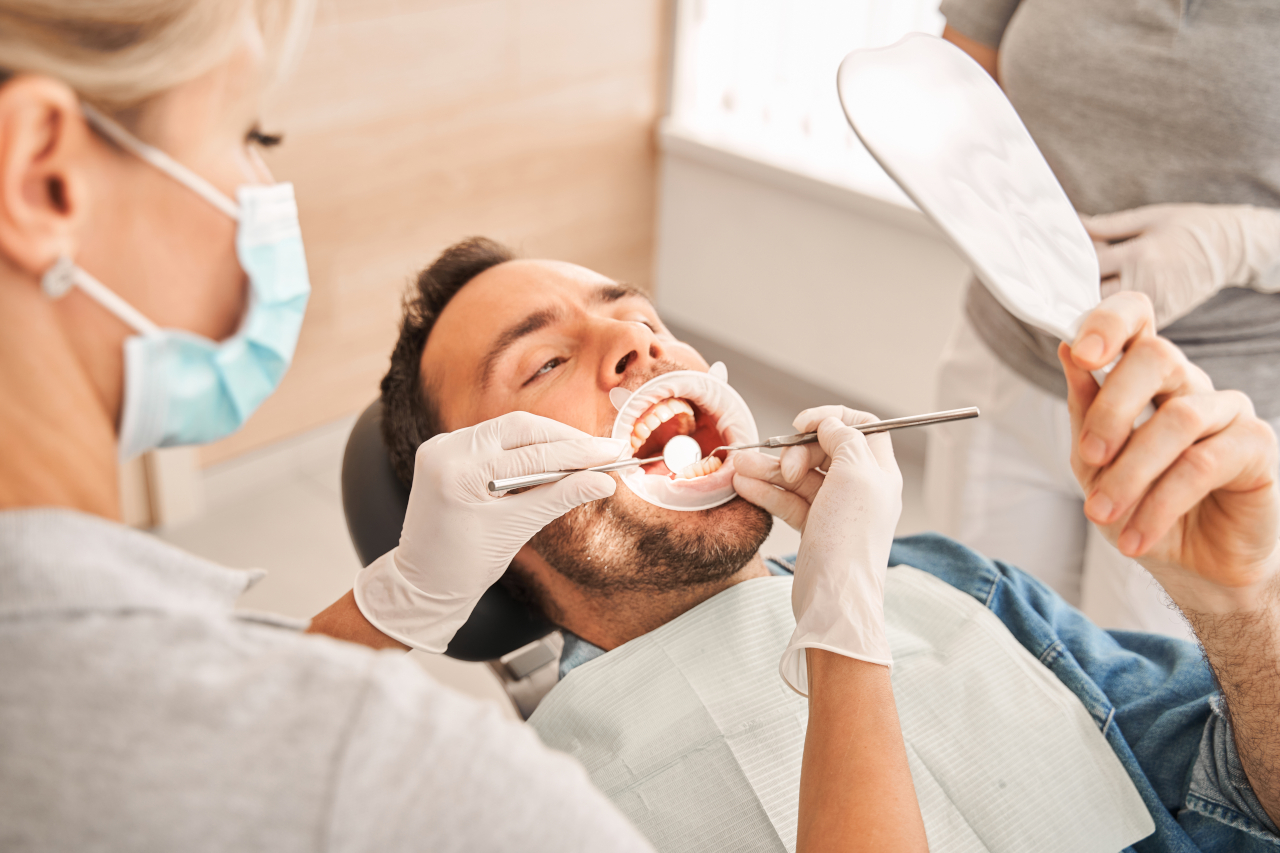
Have you noticed blood when brushing your teeth, gums that appear swollen, or bad breath that keeps returning? These changes may seem minor, but they can sometimes indicate the early stages of gum disease. Fortunately, identifying the problem and receiving appropriate treatment can help protect your teeth and the tissues supporting them.
One of the most common treatments for gum disease is a deep dental cleaning, also called scaling and root planing. Unlike a routine cleaning, which focuses primarily on plaque and tartar around the visible portions of teeth, a deep cleaning targets bacterial deposits beneath the gumline.
If your dentist has recommended this procedure, you may have questions about why it is necessary, whether it hurts, and how long your gums will take to heal.
For patients in Priest River, Oldtown, Newport, and surrounding North Idaho communities, understanding the treatment process can make caring for your gums feel less overwhelming. This guide explains what happens during a deep cleaning, what recovery involves, and how ongoing care can help maintain healthier gums.
What Is Gum Disease?
Gum disease is an inflammatory condition affecting the tissues that surround and support your teeth. It often begins when plaque, a sticky film containing bacteria, accumulates along the gumline.
When plaque is not removed consistently, it can harden into tartar. Unlike soft plaque, tartar cannot be effectively removed with ordinary brushing and flossing. Professional dental instruments are needed to clean it away.
As bacterial deposits build up, the gums may become irritated and inflamed. Over time, untreated inflammation can progress and damage the structures supporting the teeth.
Gum disease generally develops in two main stages: gingivitis and periodontitis.
Gingivitis vs. Periodontitis: What Is the Difference?
Gingivitis
Gingivitis is the earliest stage of gum disease. It commonly causes redness, swelling, and bleeding during brushing or flossing.
At this stage, inflammation has not caused the irreversible loss of supporting bone associated with periodontitis. Therefore, gingivitis can often be reversed through improved oral hygiene and professional dental care.
However, bleeding gums should not be ignored simply because they are not painful. Persistent inflammation deserves evaluation.
Periodontitis
Periodontitis develops when inflammation affects the deeper tissues supporting the teeth.
As the disease progresses, the gums may pull away from the teeth, forming spaces called periodontal pockets. These pockets can collect bacteria and tartar below the gumline.
Eventually, the condition may damage the ligaments and bone that hold teeth in place. Advanced cases can cause tooth mobility and tooth loss.
Although lost supporting bone does not generally regenerate through ordinary cleaning alone, appropriate periodontal treatment can help control inflammation and slow further damage.
What Causes Gum Disease?
Plaque bacteria are the primary cause of gum disease, but several factors can influence a person’s risk.
Inconsistent brushing and interdental cleaning allow plaque to accumulate. Smoking and other tobacco use can also increase the likelihood of periodontal problems and interfere with healing.
Additionally, diabetes, certain medications, hormonal changes, and genetic susceptibility may affect gum health.
Dry mouth can make plaque control more challenging because saliva normally helps wash away food particles and maintain a balanced oral environment.
Importantly, gum disease is not always a sign of poor hygiene. Some patients develop periodontal problems despite making a consistent effort to care for their teeth.
Understanding individual risk factors helps your dental team recommend appropriate prevention and treatment.
Signs You May Need Gum Disease Treatment
Gum disease can develop gradually, and some patients experience very little discomfort until significant changes have occurred.
However, several warning signs deserve attention:
- Gums that bleed during brushing or flossing
- Persistent redness or swelling along the gumline
- Bad breath that does not improve with routine oral hygiene
- Gums that appear to be pulling away from the teeth
- Increased tooth sensitivity near exposed roots
- Changes in how teeth fit together when biting
- Teeth that feel loose or have shifted position
- Tenderness or discomfort around the gums
These symptoms do not automatically mean you need a deep cleaning. Nevertheless, they indicate that a dental examination may be appropriate.
Early evaluation through general dentistry at Priest River Dental can help determine whether routine preventive care or more extensive periodontal treatment is necessary.
How Does a Dentist Diagnose Gum Disease?
Before recommending scaling and root planing, your dental team evaluates the health of your gums and supporting structures.
One important part of this examination involves measuring the spaces between the teeth and gums with a small periodontal probe.
Healthy gums generally fit closely around the teeth. However, periodontal disease can create deeper pockets where bacteria accumulate.
The dental team may also assess bleeding, gum recession, tooth mobility, and plaque or tartar buildup.
Dental X-rays can provide additional information about the supporting bone and whether bone loss has occurred.
Together, these findings help determine the severity of gum disease and whether a deep cleaning is appropriate.
What Is a Deep Dental Cleaning?
A deep cleaning is a nonsurgical periodontal treatment designed to remove plaque, tartar, and bacterial deposits from tooth surfaces above and below the gumline.
The procedure consists of two related steps: scaling and root planing.
Scaling removes deposits from the teeth, including areas beneath the gums that cannot be reached through ordinary home care.
Root planing involves carefully cleaning and smoothing contaminated root surfaces to reduce bacterial retention and encourage healthier gum healing.
The goal is to reduce inflammation and help the gums form a healthier relationship with the tooth surfaces.
Priest River Dental offers deep cleaning as part of its gum disease treatment services.
How Is a Deep Cleaning Different From a Regular Cleaning?
Routine dental cleanings and deep cleanings serve different purposes.
A regular cleaning is generally recommended for patients whose gum tissues are healthy or who have conditions that can be managed with preventive care. It removes plaque and tartar from accessible tooth surfaces and helps maintain oral health.
A deep cleaning is recommended when periodontal findings indicate deposits and inflammation beneath the gumline that require more extensive treatment.
Because deeper areas must be cleaned, scaling and root planing may require additional appointment time and local anesthesia.
Furthermore, patients treated for periodontitis often need ongoing periodontal maintenance rather than simply returning to an ordinary cleaning schedule.
Your dentist will explain which approach is appropriate based on your examination findings.
What Happens During Scaling and Root Planing?
The procedure begins with an assessment of the areas requiring treatment. Depending on the extent of gum disease, your dental team may recommend treating one section of the mouth at a time.
Local anesthetic is commonly used to numb the gums and surrounding tissues. This helps make cleaning beneath the gumline more comfortable.
Next, specialized instruments are used to remove plaque and hardened tartar from tooth surfaces and periodontal pockets.
Ultrasonic instruments may be used to loosen deposits with gentle vibrations and water irrigation. Hand instruments can then help clean specific areas thoroughly.
During root planing, the dental professional carefully treats the root surfaces to remove remaining deposits and create a cleaner environment for healing.
In selected cases, antimicrobial or antibiotic treatment may be recommended as an additional measure. However, antibiotics are not necessary for every patient.
Once treatment is complete, your dental team will explain how to care for the area and what to expect during recovery.
Does a Deep Cleaning Hurt?
Concern about discomfort is one of the most common reasons patients feel nervous about periodontal treatment.
Fortunately, local anesthesia can help numb the treatment area during scaling and root planing.
You may notice pressure or movement while the teeth are being cleaned, but the goal is to keep the procedure comfortable.
After the anesthetic wears off, some tenderness, gum sensitivity, or temporary discomfort may occur.
Patients who have significant dental anxiety should discuss their concerns before the appointment. Priest River Dental offers comfort-focused care and sedation options for appropriate procedures.
Communicating openly with your dental team allows them to explain what to expect and help address your concerns.
What to Expect After a Deep Cleaning
Recovery after scaling and root planing varies depending on the severity of gum inflammation and the extent of treatment.
Some patients experience mild soreness or sensitivity for a few days. The gums may also bleed slightly during the early healing period.
Additionally, teeth may temporarily feel more sensitive to cold temperatures, particularly when inflammation decreases and previously covered root surfaces become more exposed.
These changes often improve as the tissues heal.
Your dentist may recommend avoiding particularly hard, spicy, or very hot foods until the area feels comfortable.
Continue following the oral hygiene instructions provided by your dental team. Gentle but effective plaque removal remains important during recovery.
If you experience severe pain, increasing swelling, fever, or symptoms that worsen instead of improving, contact the dental office for guidance.
How Long Does It Take for Gums to Heal?
Gum healing begins soon after bacterial deposits are removed, but the complete response to treatment takes time.
Some patients notice less bleeding and tenderness within the first several days. However, meaningful improvements in inflammation and periodontal pocket measurements are often evaluated several weeks after treatment.
The healing process depends on factors such as disease severity, smoking, medical conditions, and the effectiveness of daily plaque control.
Because periodontal disease is a chronic condition for many patients, treatment does not end when the deep cleaning appointment is complete.
Follow-up evaluations help determine whether the gums are responding appropriately or whether additional treatment is needed.
Can Gum Disease Come Back After Treatment?
Yes. Although scaling and root planing can help control periodontal inflammation, it does not permanently eliminate the possibility of future disease activity.
Dental plaque continues forming every day. Without consistent home care and professional maintenance, bacteria can accumulate again around the teeth and beneath the gums.
Patients with a history of periodontitis may be more susceptible to future problems, particularly when other risk factors remain present.
Therefore, ongoing periodontal maintenance is essential.
Your dental team may recommend more frequent visits to monitor pocket depths, remove new deposits, and identify signs of recurring inflammation.
How to Maintain Healthy Gums at Home
Daily oral hygiene plays an important role in protecting the results of periodontal treatment.
Brush twice daily with fluoride toothpaste and a soft-bristled toothbrush. Pay particular attention to the gumline, where plaque frequently accumulates.
Clean between your teeth every day using floss, interdental brushes, or another method recommended by your dentist.
For patients with larger spaces between teeth, interdental brushes may be particularly helpful. However, the ideal tool depends on your individual anatomy.
Additionally, avoid tobacco products and discuss medical conditions that may influence gum health with your healthcare providers.
A balanced diet, adequate hydration, and consistent dental visits also support oral health.
Most importantly, follow the periodontal maintenance schedule recommended after treatment.
What Happens if Gum Disease Is Left Untreated?
Untreated periodontitis can gradually damage the structures responsible for keeping teeth stable.
As supporting bone decreases, teeth may begin shifting or becoming loose. Gum recession may also expose sensitive root surfaces.
Eventually, advanced periodontal disease can lead to tooth loss.
In addition, inflammation and infection can make chewing uncomfortable and complicate other dental treatments.
Although tooth replacement options are available, preserving natural teeth and their supporting structures is generally preferable whenever possible.
Patients who have already experienced significant dental damage may also need restorative dentistry as part of a comprehensive treatment plan.
Benefits of Deep Cleaning for Gum Disease
Scaling and root planing offers several important benefits for patients diagnosed with periodontitis.
First, removing bacterial deposits beneath the gums can reduce inflammation and bleeding.
Second, treatment can help decrease periodontal pocket depths in responsive areas, making daily cleaning more manageable.
Third, controlling inflammation may help slow further damage to the bone and tissues supporting the teeth.
Additionally, patients may notice improvements in gum tenderness and breath when bacterial buildup is reduced.
However, treatment results vary, and some patients require additional periodontal procedures or specialist care.
The greatest long-term benefit comes from combining professional treatment with effective daily hygiene and regular maintenance appointments.
How Often Will You Need Periodontal Maintenance?
After a deep cleaning, your dentist will recommend a follow-up schedule based on your periodontal condition.
Some patients benefit from maintenance appointments approximately every three to four months, although the ideal interval varies.
These visits allow the dental team to monitor gum inflammation, measure periodontal pockets when appropriate, and remove plaque and tartar that accumulate over time.
Patients with diabetes, a history of advanced periodontitis, or other risk factors may require closer monitoring.
Priest River Dental also offers a Membership Club with options for patients who are more vulnerable to gum disease. The team can explain available benefits and whether a plan fits your needs.
Protect Your Gum Health in Priest River
Bleeding, swollen, or tender gums should not be considered an unavoidable part of daily life. These symptoms may indicate inflammation that deserves professional attention.
Fortunately, scaling and root planing can help address bacterial buildup beneath the gumline and support healthier periodontal tissues.
Whether you have recently noticed bleeding while brushing or have already been diagnosed with gum disease, a dental examination can help determine the appropriate next steps.
Priest River Dental provides gum disease treatment and preventive dental care for patients in Priest River, Idaho, and nearby communities, including Oldtown and Newport.
If you are concerned about your gum health, visit the Priest River Dental contact page to request an appointment or Call Us Today at (208) 448-2694 to schedule an evaluation and discuss your treatment options.