Have you ever stood in the dental care aisle comparing whitening strips, toothpaste, and LED kits, wondering which product is actually worth trying? With so many options promising brighter teeth, choosing a whitening treatment can feel surprisingly complicated.
Teeth naturally vary in color, and there is no single shade that everyone needs to achieve. However, if you would like to reduce staining or brighten your smile, understanding the difference between professional teeth whitening and store-bought products can help you make an informed decision.
Both approaches can improve tooth color under the right circumstances. Nevertheless, they differ in strength, customization, convenience, cost, and the types of discoloration they can address.
At Priest River Dental, patients can explore professional in-office and take-home whitening options. For individuals in Priest River, Oldtown, Newport, and nearby North Idaho communities, this guide explains how teeth whitening works, what results to expect, and how to choose an approach that fits your goals.
Why Do Teeth Become Discolored?
Before comparing whitening products, it helps to understand why teeth change color. Tooth discoloration can develop gradually, and the cause often determines which treatment will be effective.
Some stains develop on the outer surface of enamel. Coffee, tea, red wine, tobacco, and certain foods can leave pigments behind, especially when consumed regularly.
Other color changes occur within the tooth. As people age, enamel may become thinner, allowing more of the naturally yellow dentin beneath it to show through. Certain medications, injuries, and developmental conditions can also affect tooth color.
Additionally, a tooth that has experienced trauma or previous dental treatment may darken differently from neighboring teeth.
Because discoloration has several possible causes, the most effective teeth whitening treatment depends on the condition of your teeth rather than simply choosing the strongest product available.
How Does Teeth Whitening Work?
Most whitening products use peroxide-based ingredients to break down colored compounds within the tooth structure. Hydrogen peroxide and carbamide peroxide are commonly used whitening agents.
When applied appropriately, these ingredients can lighten many types of staining without removing a layer of healthy enamel.
However, the concentration of the whitening ingredient, the amount of time it remains on the teeth, and the way it is delivered all influence the results.
Whitening toothpaste works somewhat differently. Many whitening toothpastes primarily use mild abrasives or polishing ingredients to remove external stains. They generally cannot produce the same degree of internal color change as peroxide-based whitening treatments.
Understanding these differences makes it easier to compare professional whitening with products sold in stores.
What Is Professional Teeth Whitening?
Professional teeth whitening is a cosmetic dental treatment designed to lighten natural tooth color under the guidance of a dental professional.
At Priest River Dental, patients can choose from in-office whitening and professional take-home whitening options, depending on their needs and preferences.
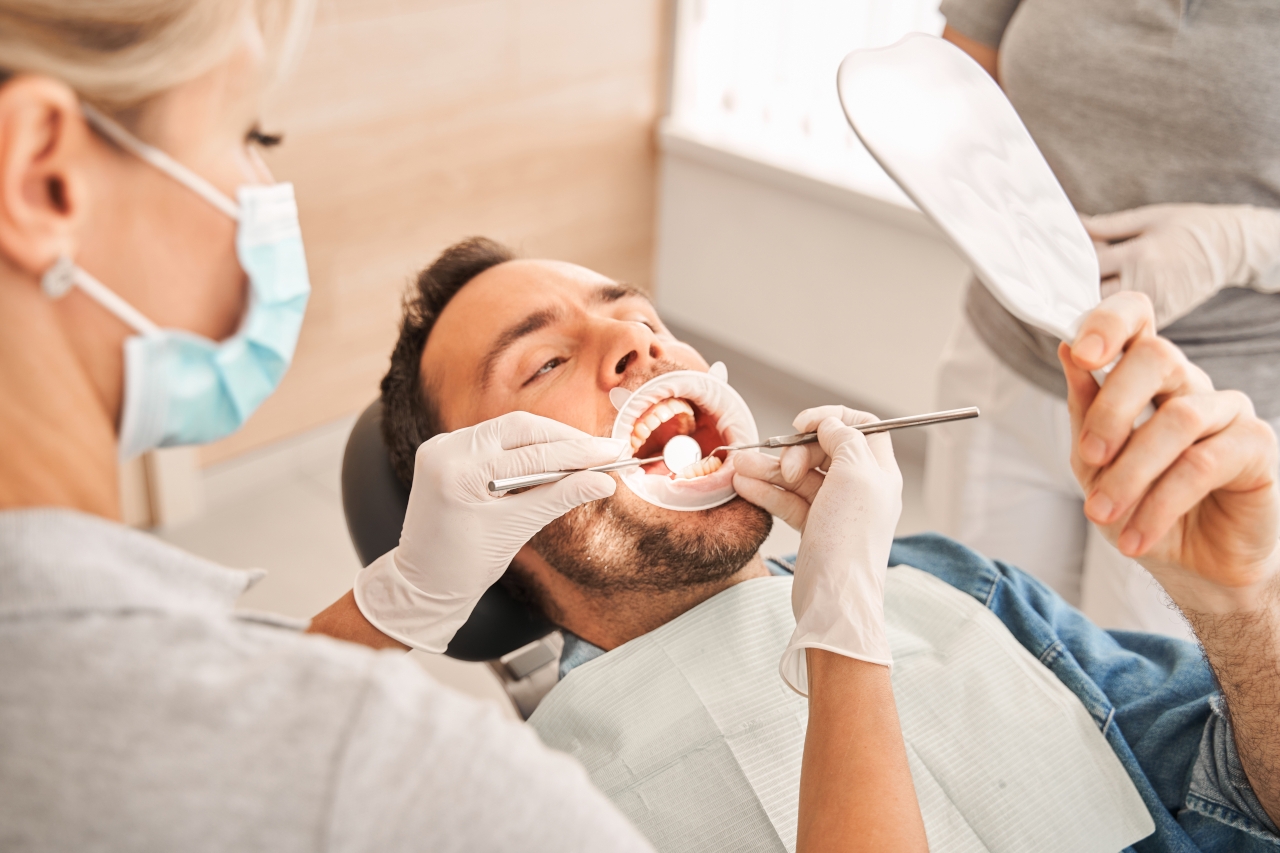
In-office whitening typically involves applying a professional whitening product while protecting the surrounding soft tissues. The appointment allows the dental team to monitor treatment and address comfort concerns.
Professional take-home whitening uses dentist-provided products and instructions for treatment outside the office. Depending on the system, customized trays may be used to help distribute the whitening gel.
Both approaches are part of the practice’s cosmetic dentistry services in Priest River.
How Are Store-Bought Whitening Products Different?
Over-the-counter whitening products are widely available at pharmacies, grocery stores, and online retailers. Popular options include whitening strips, gels, toothpastes, rinses, and kits that use LED lights.
Some products contain peroxide and can produce noticeable whitening when used correctly. Others focus primarily on removing surface stains.
However, store-bought products are generally designed for a broad range of consumers rather than customized to an individual’s teeth and gums.
For example, a whitening strip may not contact every tooth surface evenly, particularly when teeth are rotated or crowded. Similarly, a generic tray may allow whitening gel to reach the gums, potentially causing irritation.
Although these products may be convenient, their effectiveness and comfort can vary considerably.
Professional Whitening vs. Whitening Strips
Whitening strips are among the most familiar store-bought options. They typically contain a peroxide-based gel applied to a flexible strip that adheres to the front teeth.
When used according to the manufacturer’s instructions, certain whitening strips can lighten natural teeth. However, results depend on the product, the original tooth color, and consistent use.
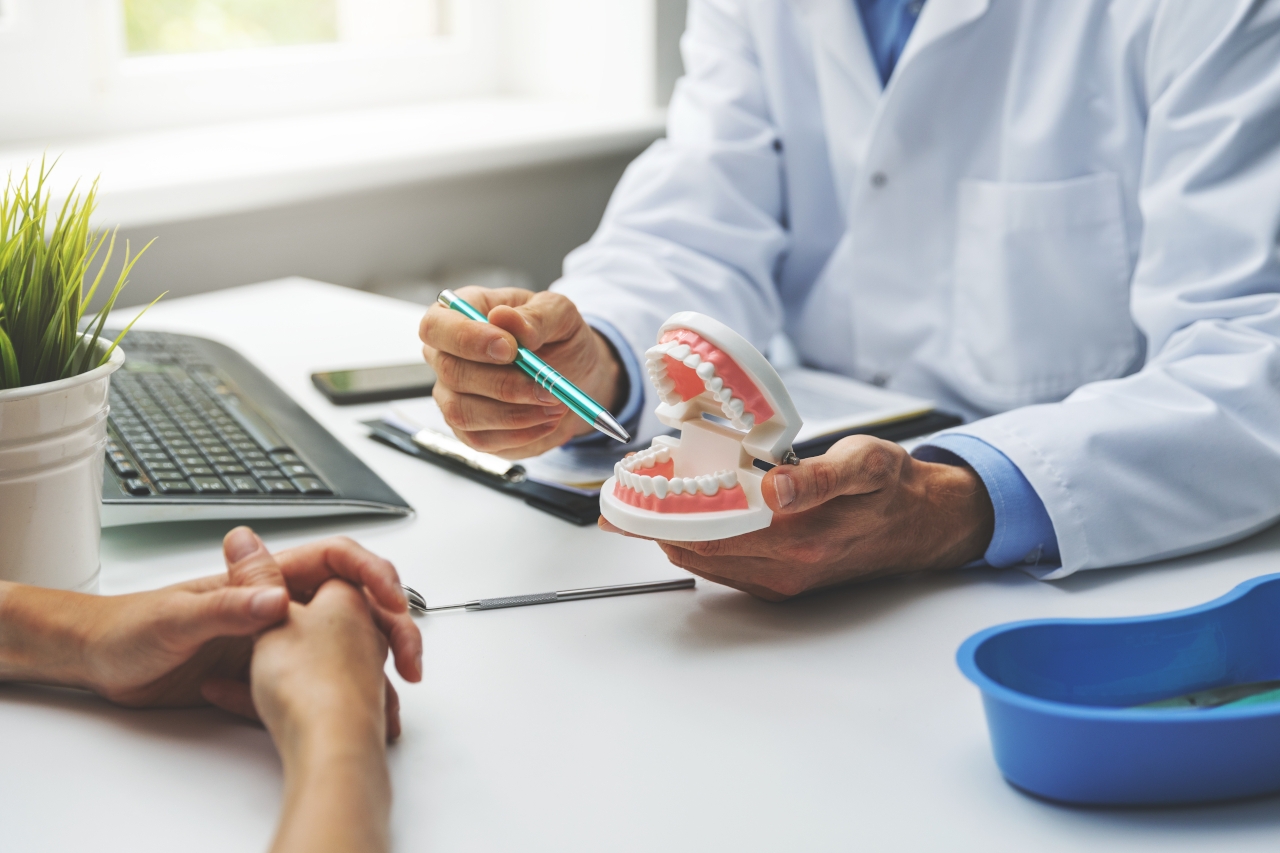
Professional whitening provides a different level of personalization. Before treatment, your dentist can examine your teeth and gums, identify restorations, and discuss whether whitening is likely to address your particular discoloration.
In addition, professional systems may use different whitening concentrations and application methods, allowing treatment to be tailored to your needs.
The best choice is not necessarily the fastest or strongest option. It is the approach that balances effectiveness, comfort, and oral health.
Does Whitening Toothpaste Actually Work?
Whitening toothpaste can help remove some external stains caused by food, beverages, and everyday habits.
For example, someone who regularly drinks coffee may notice that a suitable whitening toothpaste helps maintain a cleaner-looking tooth surface.
However, whitening toothpaste usually does not significantly change the underlying natural color of teeth. It also cannot reliably correct discoloration caused by injury, medication, or internal changes.
Some products contain ingredients designed to reduce surface staining, while others use low concentrations of whitening agents.
Choose a fluoride toothpaste appropriate for your oral health needs, and avoid aggressive brushing. Brushing harder will not make whitening work faster and can contribute to gum irritation or tooth wear.
Are LED Whitening Kits More Effective?
Many home whitening kits advertise LED lights as a way to accelerate results. However, the presence of a light does not automatically make a whitening system more effective.
For most peroxide-based whitening treatments, the active whitening ingredient performs the essential chemical work.
Research on the additional benefits of light activation has produced mixed findings, and results depend on the specific product and treatment protocol.
Therefore, patients should be cautious about assuming that a kit with a bright light will outperform one without it.
Instead, consider the quality of the whitening ingredients, the product’s instructions, and whether the system is appropriate for your teeth and gums.
Which Whitening Option Produces Faster Results?
Speed is one of the main reasons patients consider professional teeth whitening.
In-office whitening may produce a noticeable change during a single appointment, although the degree of improvement varies.
Professional take-home whitening generally produces results gradually over a prescribed treatment period. This approach may appeal to patients who prefer completing treatment at home.
Store-bought whitening strips often require repeated applications over several days or weeks. Meanwhile, whitening toothpaste may improve surface staining gradually without substantially changing the natural shade of the teeth.
Keep in mind that faster whitening does not automatically mean better whitening. The ideal treatment schedule depends on your starting shade, sensitivity, and desired outcome.
Can Teeth Whitening Cause Sensitivity?
Temporary tooth sensitivity is one of the most common side effects of peroxide-based whitening.
Some patients experience brief discomfort when drinking cold beverages or breathing in cool air. Gum irritation can also occur if whitening gel contacts soft tissues.
Fortunately, these effects are often temporary and can sometimes be reduced by adjusting treatment frequency, product concentration, or application time.
Professional supervision can be particularly helpful for patients who already experience sensitive teeth.
However, persistent pain should not be dismissed as a normal whitening reaction. Cavities, exposed roots, cracked teeth, and other dental conditions may require treatment before whitening begins.
Who Should Have a Dental Examination Before Whitening?
Although whitening is generally considered a cosmetic treatment, oral health should come first.
Patients with untreated cavities, gum inflammation, exposed roots, or significant tooth sensitivity should have these concerns evaluated before starting a whitening program.
Additionally, people with crowns, veneers, bridges, or tooth-colored fillings should understand that whitening products do not change the color of these materials the same way they lighten natural teeth.
This difference can create uneven color if existing restorations were matched to a darker tooth shade.
A dentist can help determine whether whitening should occur before replacing visible restorations or whether another approach would better meet your goals.
Patients interested in other appearance-related treatments can explore the practice’s veneers and dental bonding options.
What If Whitening Does Not Work on Your Stains?
Not every type of tooth discoloration responds well to bleaching.
For example, certain developmental stains, discoloration associated with trauma, or color differences involving dental restorations may require a different approach.
In these situations, cosmetic bonding or veneers may sometimes be considered to change the visible appearance of a tooth.
However, these treatments involve different costs, maintenance requirements, and considerations about natural tooth structure.
Therefore, a consultation is valuable when a tooth has unusual discoloration or when previous whitening attempts have produced little improvement.
How Much Does Teeth Whitening Cost?
Cost is another important difference between professional and store-bought whitening.
Whitening toothpaste and strips typically have lower initial prices than professional treatments. However, patients may need to purchase multiple products over time, depending on their results and maintenance habits.
Professional whitening generally involves a higher upfront expense because it includes dental assessment, treatment planning, and professional products or application.
Nevertheless, the value of professional whitening extends beyond the whitening gel itself. It includes guidance about expected results, existing restorations, sensitivity, and whether the treatment is appropriate.
Because cosmetic whitening is often not covered by dental insurance, ask for a clear estimate before beginning treatment.
How Long Do Teeth Whitening Results Last?
Teeth whitening results are not permanent. Natural aging, diet, tobacco exposure, and oral hygiene habits can influence how quickly discoloration returns.
Some patients maintain noticeable results for an extended period, while others prefer occasional touch-up treatment.
To help maintain your results, brush regularly with fluoride toothpaste, clean between your teeth daily, and keep up with professional dental cleanings.
Additionally, rinsing with water after drinking coffee or tea may help reduce the amount of staining residue left on your teeth.
There is no need to avoid every food or beverage that can cause staining. Instead, focus on consistent oral care and realistic expectations.
Benefits of Professional Teeth Whitening
Professional whitening offers several advantages for patients seeking a personalized approach to tooth discoloration.
First, a dental examination can help identify whether staining is likely to respond to whitening. This reduces the chance of spending time and money on a treatment that may not address the underlying concern.
Second, professional products and instructions can be selected with sensitivity and gum health in mind.
Third, patients can discuss their preferred shade, treatment schedule, and maintenance needs before beginning.
Finally, whitening can be coordinated with other dental treatments when necessary, helping avoid unexpected differences between natural teeth and restorations.
These benefits make professional whitening worth considering for patients who want more guidance than an over-the-counter product can provide.
How to Choose the Right Whitening Treatment
If your teeth are healthy and you have mild surface staining, an appropriate store-bought product may provide a reasonable starting point.
However, professional whitening may be more suitable if you want personalized treatment, have concerns about sensitivity, or have previously struggled to achieve consistent results.
Patients with existing restorations or unusual discoloration should also consider an examination before attempting whitening.
Ultimately, the best whitening treatment is one that fits your oral health, expectations, lifestyle, and budget.
You do not need to aim for an unnaturally bright shade. A comfortable, healthy smile that looks natural to you is a worthwhile goal.
Explore Professional Teeth Whitening in Priest River
Store-bought whitening products can help some patients reduce staining, but they are not interchangeable with personalized professional treatment.
Understanding the cause of discoloration, the differences between whitening systems, and the condition of your teeth can help you choose an option with greater confidence.
Priest River Dental offers in-office and take-home whitening solutions as part of its cosmetic dentistry services for patients in Priest River, Oldtown, Newport, and surrounding communities.
Ready to learn which whitening option may be right for you? Contact Priest River Dental in Priest River, Idaho, through the contact page or Call Us Today at (208) 448-2694 to schedule a consultation.