Have you been researching ways to change the shape, color, or spacing of your teeth but are unsure which cosmetic dental treatment is right for you? Perhaps whitening has not provided the results you were hoping for, or you would like to address several cosmetic concerns with one treatment. Porcelain veneers may offer a solution worth exploring.
Veneers are a popular cosmetic dentistry option because they can address multiple aesthetic concerns while maintaining a natural-looking appearance. However, choosing veneers is an important decision that involves considering your oral health, budget, lifestyle, and long-term expectations.
How much do porcelain veneers cost? Do they damage your natural teeth? How long do they last, and are they a better investment than dental bonding?
If you are searching for porcelain veneers in Priest River, Idaho, this guide will help you understand the treatment process and determine whether veneers align with your personal smile goals.
What Are Porcelain Veneers?
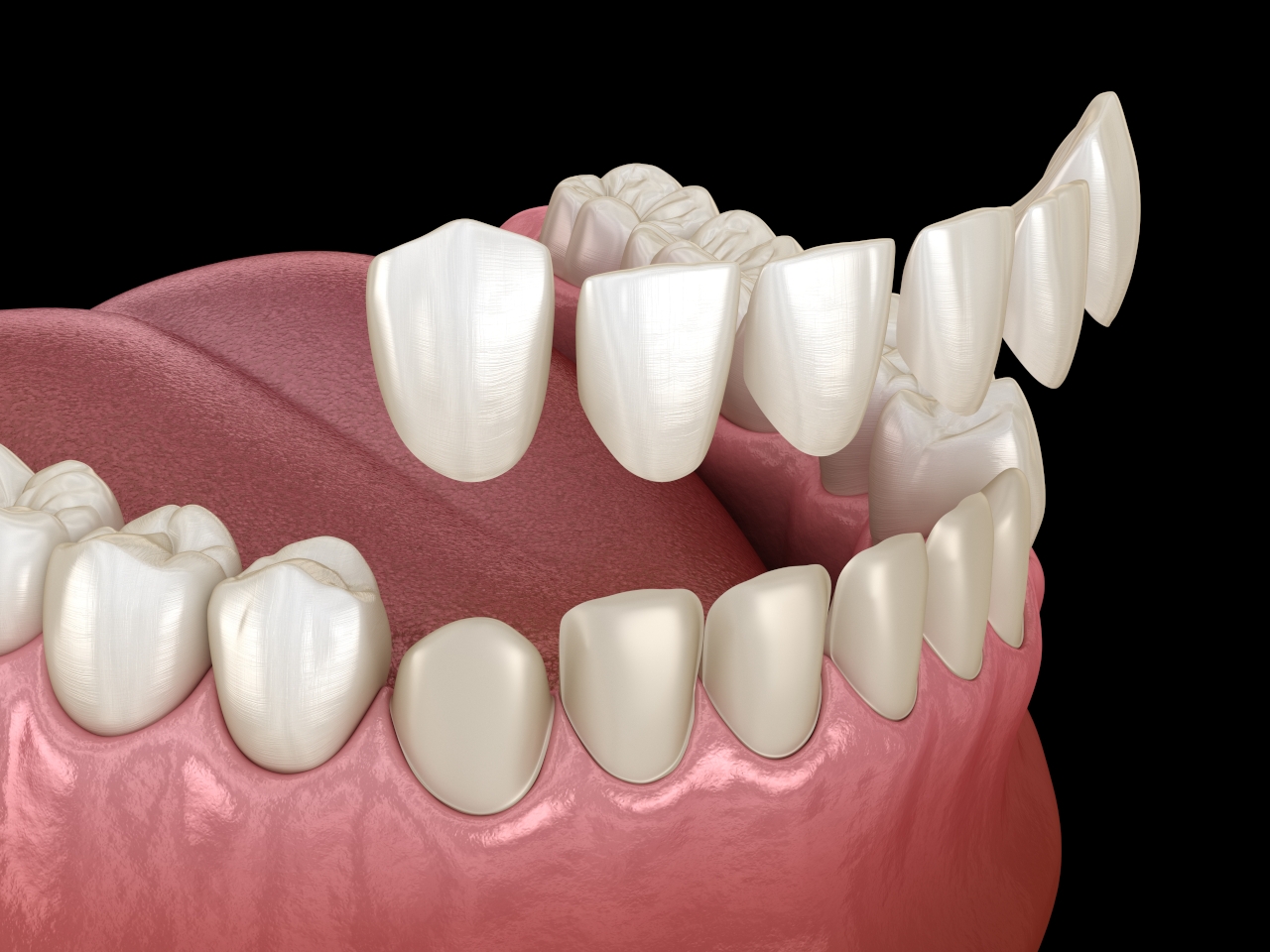
Porcelain veneers are thin, custom-made ceramic shells that are bonded to the front surfaces of natural teeth. They are designed to modify the visible appearance of teeth by adjusting their color, shape, size, or proportions.
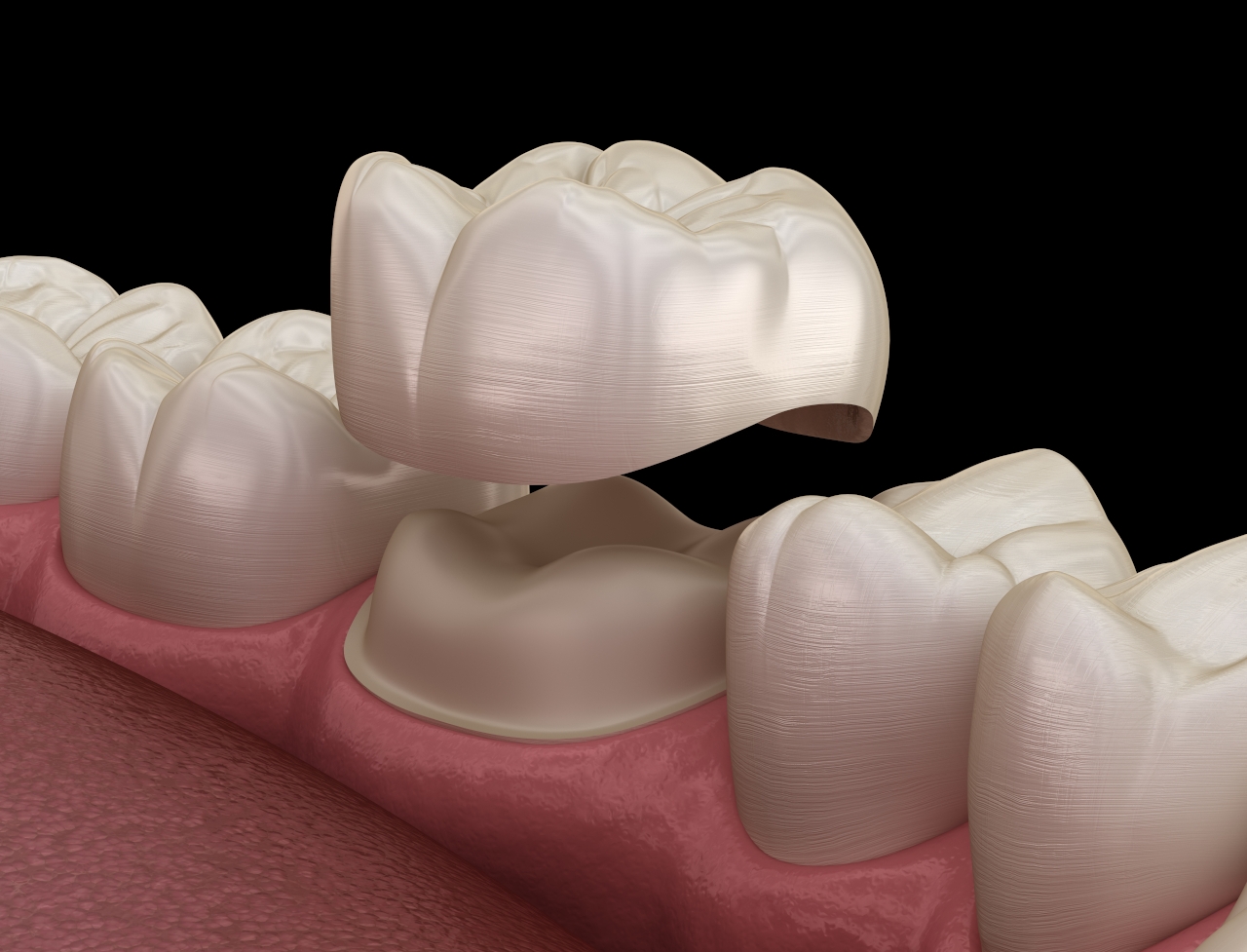
Unlike dental crowns, which cover most or all of the visible portion of a tooth, veneers primarily cover the front surface. Consequently, they typically require less tooth preparation than full-coverage crowns.
Each veneer is individually designed to complement the surrounding teeth and achieve the desired appearance. Factors such as translucency, surface texture, and shade contribute to the final result.
At Priest River Dental, porcelain veneers are available through our cosmetic dentistry services. Dr. McKinney can evaluate your teeth and help determine whether veneers or another cosmetic treatment would be appropriate.
What Dental Concerns Can Porcelain Veneers Address?
One reason patients consider porcelain veneers is their versatility. Rather than undergoing separate procedures for every cosmetic concern, veneers can sometimes address several appearance-related goals simultaneously.
Common reasons patients explore veneers include:
- Tooth discoloration that does not respond adequately to professional whitening.
- Minor chips affecting the appearance of front teeth.
- Small spaces between otherwise healthy teeth.
- Teeth with uneven shapes or proportions.
- Minor cosmetic irregularities in tooth alignment.
- Worn tooth edges when the underlying cause has been addressed.
- Differences in tooth size that affect overall smile symmetry.
However, veneers are primarily a cosmetic treatment. They cannot replace missing teeth, eliminate active dental infections, or correct significant bite problems.
A comprehensive dental examination helps determine whether veneers are suitable or whether other treatments should be completed first.
How Much Do Porcelain Veneers Cost in Priest River?
Cost is understandably one of the first considerations for patients researching dental veneers. Because treatment is customized, there is no single price that accurately represents every patient’s needs.
Several factors influence the overall cost of porcelain veneers.
The Number of Veneers Needed
Some patients want to improve the appearance of just one or two teeth, while others prefer a more comprehensive cosmetic treatment.
The number of veneers required directly influences the total investment. However, treating every visible tooth is not always necessary to achieve a balanced result.
The Condition of Your Natural Teeth
Healthy teeth and gums provide an important foundation for cosmetic dentistry. If cavities, gum inflammation, or structural damage are present, these concerns may need treatment before veneers can be placed.
Addressing underlying dental problems may increase the overall treatment cost, but it also helps establish a healthier foundation for the restorations.
Customization and Laboratory Work
Porcelain veneers require careful design and fabrication. Creating restorations that complement your natural tooth color, shape, and bite involves both clinical planning and laboratory craftsmanship.
The complexity of your cosmetic goals can influence the resources required to produce the final restorations.
Additional Cosmetic Treatments
Some patients choose professional teeth whitening, orthodontic treatment, or other cosmetic procedures before receiving veneers.
For example, whitening natural teeth before selecting a veneer shade may help create a more consistent appearance across treated and untreated teeth.
At Priest River Dental, a personalized consultation allows you to discuss your priorities and receive an estimate based on your individual treatment plan.
Does Dental Insurance Cover Porcelain Veneers?
Dental insurance generally does not cover veneers when treatment is performed solely for cosmetic reasons. However, coverage varies between plans, and procedures addressing documented structural damage may be evaluated differently.
Before beginning treatment, ask your dental office to explain the anticipated expenses and any potential insurance benefits.
Patients interested in spreading the cost of treatment over time can explore available financing arrangements through our patient resources page.
Understanding the financial commitment in advance can help you make a decision that fits both your dental goals and your budget.
Porcelain Veneers vs. Dental Bonding: Which Is Better?
Dental bonding and porcelain veneers can address some of the same cosmetic concerns. Nevertheless, they differ in materials, durability, treatment requirements, and cost.
Dental bonding involves applying tooth-colored composite resin directly to a tooth. The material is shaped and hardened to achieve the desired appearance.
Bonding is often appropriate for small chips, minor gaps, and localized cosmetic changes. It generally requires less tooth preparation and has a lower initial cost than porcelain veneers.
Porcelain veneers, on the other hand, are individually fabricated ceramic restorations. They generally offer greater stain resistance and may maintain their appearance for longer than composite bonding.
However, porcelain veneers typically require a greater financial investment and may involve irreversible tooth preparation.
Neither treatment is automatically better for every patient. Someone with a small chip may benefit from bonding, while another patient seeking more extensive changes may prefer veneers.
Porcelain Veneers vs. Dental Crowns
Although veneers and crowns can both change a tooth’s appearance, they serve different primary purposes.
Veneers are generally used to enhance the appearance of teeth that retain adequate structural strength. Their conservative coverage focuses mainly on the visible front surface.
Dental crowns provide more extensive coverage and are often recommended when teeth have significant decay, fractures, large restorations, or structural weaknesses.
If your tooth requires additional protection rather than primarily cosmetic improvement, a crown may be more appropriate.
Patients with damaged or weakened teeth can learn more about available treatments through our restorative dentistry services.
What Happens During a Porcelain Veneer Procedure?
Porcelain veneer treatment involves several stages, beginning with a discussion about your expectations and ending with the placement of customized restorations.
Step 1: Your Cosmetic Dentistry Consultation
Your dentist evaluates your teeth, gums, and bite while discussing the changes you would like to achieve.
This appointment is an opportunity to ask questions about color, shape, treatment alternatives, costs, and maintenance requirements.
At Priest River Dental, a smile mock-up may be used to help you visualize potential changes before committing to treatment.
Step 2: Preparing the Teeth
Depending on your treatment plan, a small amount of enamel may need to be removed from the front surfaces of the selected teeth.
This preparation creates space for the porcelain restorations and helps them fit naturally alongside neighboring teeth.
Local anesthesia may be used when appropriate to help maintain comfort.
Step 3: Designing Your Custom Veneers
Impressions or digital scans provide the information needed to create restorations designed specifically for your teeth.
Your dentist considers the proportions, color, and contours of surrounding teeth when planning the final veneers.
Temporary restorations may be provided when appropriate while the permanent veneers are being fabricated.
Step 4: Placing Your Porcelain Veneers
Once the veneers are ready, your dentist evaluates their appearance, fit, and relationship with your bite.
After any necessary adjustments, the veneers are bonded securely to the prepared teeth.
The dental team will then explain how to maintain your new restorations and what to expect as you become accustomed to them.
Do Porcelain Veneers Damage Your Natural Teeth?
Traditional porcelain veneer treatment often requires removing a small amount of natural enamel. Because enamel does not grow back, this preparation is generally irreversible.
Therefore, choosing veneers should involve careful consideration of the long-term commitment.
Once a prepared tooth has been restored with a veneer, it will typically require ongoing restoration throughout its lifetime.
Nevertheless, appropriate treatment planning can help preserve as much healthy tooth structure as possible.
Some patients may qualify for more conservative preparation techniques, while others require conventional preparation to achieve an appropriate fit.
If preserving natural enamel is your highest priority, ask your dentist whether whitening, bonding, or orthodontic treatment could achieve your goals without veneers.
How Long Do Porcelain Veneers Last?
Porcelain veneers can commonly last ten years or longer, although individual results vary considerably.
Their longevity depends on the quality of the restoration, underlying tooth health, biting forces, oral hygiene, and personal habits.
Although porcelain is a durable material, veneers can still chip, fracture, loosen, or require replacement over time.
To help protect your restorations:
- Brush twice daily using fluoride toothpaste and a soft-bristled toothbrush.
- Clean between your teeth every day.
- Avoid chewing ice and other extremely hard objects.
- Do not use your teeth to open packages.
- Discuss teeth grinding or clenching with your dentist.
- Maintain regular professional dental examinations and cleanings.
Consistent maintenance helps protect both the veneers and the natural teeth supporting them.
Can Porcelain Veneers Stain or Change Color?
Porcelain is generally more resistant to staining than natural enamel and composite bonding materials. Consequently, veneers can maintain their original shade for many years.
However, stain resistance does not mean that veneers require no maintenance. Surface deposits and discoloration around restoration margins can still affect their appearance.
Additionally, natural teeth surrounding the veneers may gradually change color over time.
Because conventional whitening products do not significantly change the color of porcelain, your dentist may recommend completing any desired natural tooth whitening before veneer placement.
This sequence can help establish a consistent shade when the restorations are designed.
Can You Get Veneers on Crooked Teeth?
Porcelain veneers can sometimes improve the visible appearance of mildly uneven or rotated teeth.
However, veneers do not actually reposition teeth or correct the underlying causes of misalignment. Significant crowding, uneven biting forces, and complex orthodontic concerns may require orthodontic treatment instead.
In some cases, straightening teeth before placing veneers allows for more conservative preparation and improved treatment planning.
Patients who are primarily concerned about alignment should discuss orthodontic options before committing to permanent cosmetic restorations.
Who Is a Good Candidate for Porcelain Veneers?
Suitable candidates generally have healthy teeth and gums, sufficient natural tooth structure, and realistic expectations about cosmetic treatment.
Patients with untreated decay, active gum disease, severe grinding habits, or significant bite problems may need additional care before veneers can be considered.
Furthermore, patients should understand that veneers are a long-term commitment rather than a temporary cosmetic enhancement.
A consultation helps determine whether the anticipated benefits justify the treatment requirements for your particular circumstances.
Benefits of Choosing Porcelain Veneers
When appropriately planned, porcelain veneers can provide several cosmetic advantages.
- Address multiple appearance-related concerns through a coordinated treatment plan.
- Provide customized tooth shapes and shades.
- Offer greater stain resistance than many composite materials.
- Improve the appearance of minor chips and uneven tooth edges.
- Require less tooth coverage than full dental crowns in suitable cases.
- Provide results that can complement the natural characteristics of your smile.
Ultimately, the goal is not to create a particular standard of appearance. Instead, treatment should reflect your preferences while supporting healthy, comfortable dental function.
Questions to Ask Before Getting Porcelain Veneers
Preparing a few questions before your cosmetic consultation can help you feel more confident about your decision.
Consider asking how many veneers you actually need, how much enamel preparation is anticipated, and whether a less invasive treatment could achieve similar results.
Additionally, ask about the expected lifespan of your restorations, potential replacement costs, and how your existing bite might influence their durability.
Understanding both the advantages and limitations of veneers allows you to evaluate the treatment as a long-term investment rather than a short-term cosmetic purchase.
Explore Your Porcelain Veneer Options in Priest River, Idaho
Porcelain veneers can be an effective option for patients seeking personalized cosmetic changes. However, the best results begin with healthy teeth, thoughtful planning, and a clear understanding of the available alternatives.
At Priest River Dental, we help patients from Priest River, Oldtown, Newport, Sandpoint, and surrounding communities explore cosmetic dental treatments suited to their individual goals.
Whether you are considering veneers for a single tooth or exploring a more comprehensive cosmetic treatment plan, our team can explain your options, anticipated costs, and long-term maintenance requirements.
Ready to find out whether porcelain veneers are right for you? Call Priest River Dental in Priest River, Idaho, at (208) 448-2694 or Schedule a Consultation to explore your personalized cosmetic dentistry options.