Does one of your teeth throb at night, hurt when you chew, or remain sensitive long after you finish drinking something cold? While these symptoms can have several causes, they may indicate that the tissue inside your tooth has become inflamed or infected. When this happens, root canal treatment may offer an opportunity to save the tooth rather than remove it.
Many patients feel apprehensive when they hear the words root canal. However, modern treatment is designed to relieve discomfort, eliminate infection, and preserve natural teeth. In many cases, the discomfort that brings patients into the dental office is more troublesome than the treatment itself.
Knowing when to seek care can make a significant difference in your treatment options. If you are searching for a dentist who provides root canal treatment in Priest River, Idaho, understanding the following warning signs can help you recognize when professional attention is necessary.
What Is a Root Canal and Why Might You Need One?
Inside every natural tooth is a soft tissue called the dental pulp. This tissue contains nerves, blood vessels, and connective tissue. Although enamel and dentin protect the pulp, deep decay, fractures, and dental injuries can allow bacteria to reach it.
When the pulp becomes irreversibly inflamed or infected, it may no longer be capable of healing. Without appropriate treatment, the infection can extend beyond the root and affect surrounding tissues.
Root canal treatment removes damaged or infected pulp, cleans the internal spaces of the tooth, and seals them to reduce the risk of further bacterial contamination. Afterward, the tooth is restored to help protect it and maintain normal function.
At Priest River Dental, root canals are available as part of our restorative dentistry services. More complex cases may require care from an endodontic specialist.
7 Warning Signs You May Need Root Canal Treatment
Not every toothache requires a root canal. However, certain symptoms are associated with damage or infection inside a tooth. Recognizing these changes and scheduling an examination can help determine whether treatment is necessary.
1. Persistent or Severe Tooth Pain
A toothache that keeps returning or never seems to disappear completely may indicate a problem within the tooth.
The discomfort might feel like a persistent ache, a throbbing sensation, or sharp episodes of pain. Sometimes, it becomes difficult to identify exactly which tooth is responsible because dental pain can spread into surrounding areas.
Pain that interrupts sleep or makes everyday activities difficult deserves prompt evaluation. Even if pain medication provides temporary relief, the underlying dental problem may still be present.
Rather than waiting for the discomfort to become unbearable, schedule an examination to determine its cause.
2. Sensitivity That Lingers After Eating or Drinking
Many people experience occasional sensitivity when consuming something particularly hot or cold. Brief sensitivity may occur because of exposed roots, enamel wear, or other dental conditions.
However, discomfort that continues well after the temperature stimulus has been removed may indicate inflammation inside the tooth.
For example, if drinking a cold beverage causes pain that continues for thirty seconds or longer, your dentist may want to evaluate the health of the dental pulp.
Similarly, prolonged discomfort after drinking hot coffee or eating warm food should not be ignored. A dental examination can distinguish ordinary sensitivity from more significant internal damage.
3. Pain When Biting or Chewing
Do you avoid chewing on one side of your mouth because a particular tooth feels uncomfortable? Pain during biting may indicate inflammation around the root, a fracture, or another structural problem.
When an infection extends beyond the pulp, surrounding tissues may become sensitive to pressure. As a result, even relatively soft foods can cause discomfort.
Although biting pain does not automatically mean you need root canal treatment, it is an important symptom to discuss with your dentist. Identifying the cause early may improve the opportunity to preserve the tooth.
4. A Tooth That Has Become Darker
Teeth can naturally change color over time because of aging, diet, and everyday staining. However, a single tooth that becomes noticeably darker than its neighbors may require closer attention.
Internal discoloration can sometimes develop after an injury that damages the dental pulp. This may occur immediately following trauma or become noticeable months or years later.
Although discoloration alone cannot determine whether a root canal is necessary, diagnostic testing can help evaluate the tooth’s internal health.
Professional whitening will not resolve an underlying pulp infection, making an accurate diagnosis particularly important.
5. Swollen or Tender Gums Near a Tooth
Localized gum swelling may develop when infection spreads from inside a tooth into surrounding tissues.
You might notice tenderness near a particular tooth, a swollen section of gum, or discomfort when touching the area. Sometimes, the swelling comes and goes.
Because swelling can also result from gum disease or other conditions, a dentist needs to determine its source before recommending treatment.
Rapidly increasing facial swelling, difficulty breathing or swallowing, or significant swelling involving the neck requires immediate emergency medical care.
6. A Small Bump on the Gum
A recurring bump that resembles a pimple near a tooth can sometimes indicate a draining dental infection.
Patients may notice an unpleasant taste or occasional drainage from the area. Interestingly, the affected tooth might not be particularly painful because drainage can temporarily reduce pressure.
Nevertheless, the absence of pain does not mean the infection has resolved. A dental examination and appropriate treatment are necessary to address the underlying source.
Do not attempt to squeeze, puncture, or drain the area yourself.
7. A Deep Cavity, Cracked Tooth, or Dental Injury
Extensive decay and significant fractures can expose or damage the dental pulp. Injuries may also affect the internal tissues even when the outside of the tooth appears relatively normal.
If you experience a dental injury, lose a large filling, or notice that a tooth has broken, schedule an evaluation as soon as possible.
Depending on the extent of the damage, treatment may involve a filling, crown, root canal, or another restorative procedure.
Early attention can sometimes prevent additional damage and improve the likelihood of saving the tooth.
How Does a Dentist Determine Whether You Need a Root Canal?
Symptoms provide useful information, but they cannot confirm a diagnosis on their own. Your dentist evaluates the tooth using a combination of clinical examination, diagnostic imaging, and appropriate testing.
During your appointment, the dental team may ask about the timing, severity, and frequency of your discomfort. They may also examine the tooth for fractures, decay, or problems involving existing restorations.
Dental X-rays can help identify changes around the roots or supporting bone. Additionally, temperature testing and gentle pressure testing may provide information about pulp health and surrounding tissues.
Priest River Dental uses digital imaging and intraoral cameras to help evaluate dental problems and explain treatment recommendations. Patients can begin with an examination through our general dentistry services.
Does Root Canal Treatment Hurt?
One of the most common concerns about root canal treatment is discomfort. Fortunately, modern anesthetics and dental techniques help make the procedure more manageable.
Local anesthesia is typically used to numb the affected tooth and surrounding tissues. While patients may notice pressure or movement during treatment, the dental team works to minimize discomfort.
Some tenderness may occur afterward as surrounding tissues recover. This generally improves over the following days, although individual experiences vary.
If you feel anxious about dental treatment, discuss your concerns before the appointment. Your dentist can explain available comfort measures and whether sedation may be appropriate for your individual needs.
What Happens During a Root Canal Procedure?
Root canal treatment involves several important steps designed to remove damaged tissue and protect the remaining tooth.
- The dentist evaluates the tooth and administers local anesthesia.
- A small opening is created to access the internal pulp chamber.
- Damaged or infected pulp is removed from the tooth.
- The root canals are carefully cleaned, shaped, and disinfected.
- The cleaned canals are filled and sealed with appropriate dental materials.
- A temporary or permanent restoration is placed, depending on the treatment plan.
Some root canals can be completed during one appointment, while others require multiple visits. The complexity of the root structure, severity of infection, and condition of the tooth influence the treatment timeline.
Will You Need a Crown After a Root Canal?
Many teeth that undergo root canal treatment have already lost significant natural structure because of decay, fractures, or previous restorations.
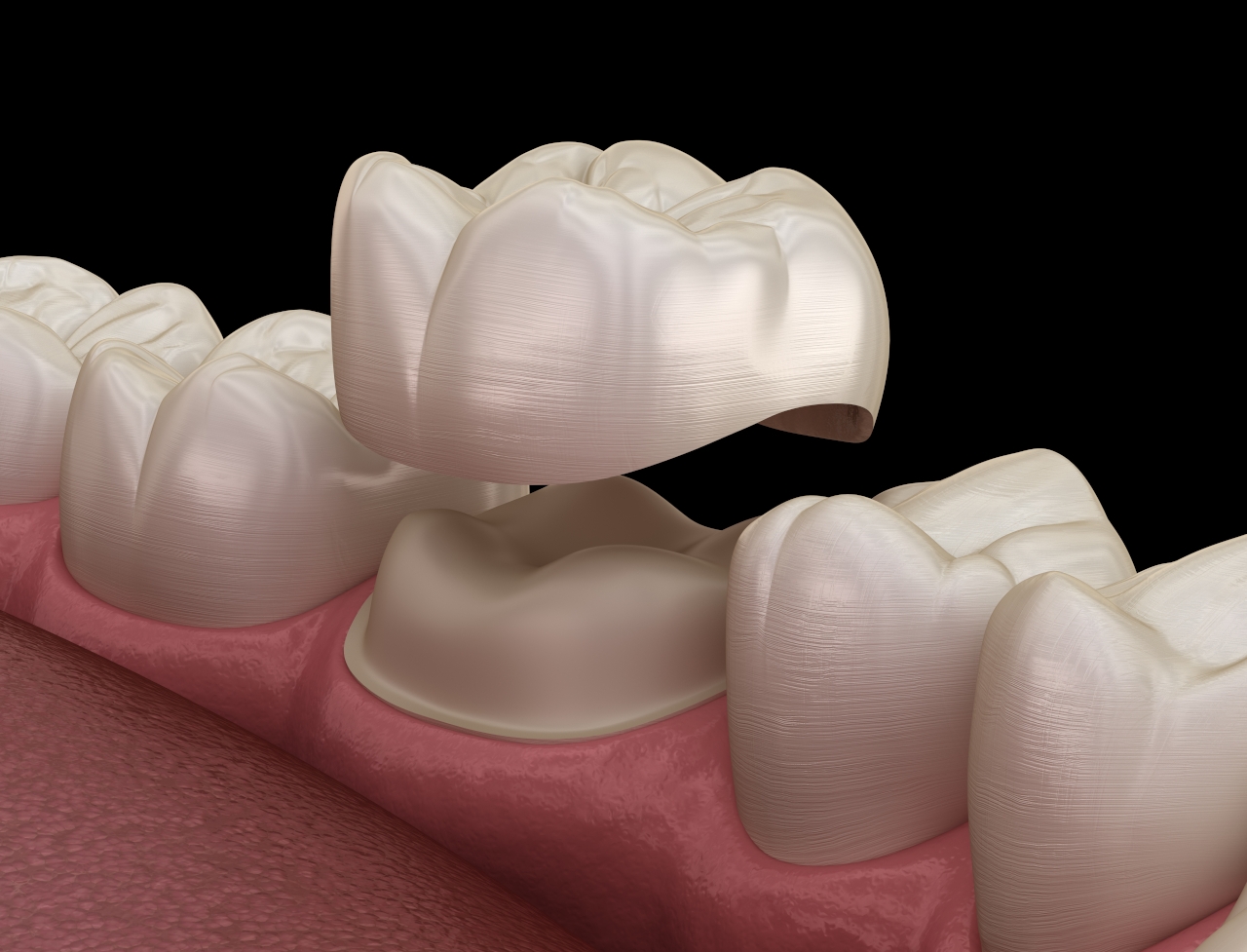
A dental crown may be recommended to protect the remaining tooth and restore its ability to withstand normal chewing forces. This is particularly common for back teeth, which experience substantial pressure during eating.
However, not every root canal requires a crown. Some teeth can be restored with a filling or another suitable restoration, depending on their location and remaining structure.
Your dentist will assess the tooth and explain which restoration offers appropriate protection.
Root Canal vs. Extraction: Which Is Better?
Patients experiencing significant tooth pain sometimes wonder whether removing the tooth would be simpler than completing root canal treatment.
When a tooth can be predictably restored, preserving it may offer several advantages. Keeping a natural tooth helps maintain chewing function, tooth alignment, and stimulation of the surrounding jawbone.
Extraction may be necessary when extensive decay, severe fractures, or other complications make successful restoration unlikely.
If a functional tooth must be removed, patients may need to consider replacement options such as a dental bridge or implant.
Ultimately, the decision should account for the tooth’s long-term prognosis, treatment costs, overall oral health, and individual preferences.
How Much Does a Root Canal Cost in Priest River?
The cost of root canal treatment depends on several factors, including the location of the affected tooth, complexity of its root canals, extent of infection, and type of restoration required afterward.
For example, molars often have more complex root systems than front teeth. Consequently, treatment may require additional time and resources.
Dental insurance may cover a portion of medically necessary root canal treatment, depending on your individual plan. Patients without insurance can also ask about the practice’s available payment and membership options.
Visit our patient resources page to learn more about planning your dental care. Request a personalized estimate before beginning treatment so you understand the anticipated expenses.
Can an Infected Tooth Heal Without a Root Canal?
Early pulp irritation can sometimes improve when its cause is addressed. However, an irreversibly inflamed or infected pulp generally cannot recover through home remedies alone.
Antibiotics may be necessary in certain situations, particularly when an infection is spreading. Nevertheless, antibiotics alone do not typically eliminate the source of infection inside a compromised tooth.
Even when discomfort temporarily disappears, the underlying condition may continue progressing.
Professional treatment is necessary to determine whether the tooth can be preserved or requires removal. Delaying care may reduce the available treatment options.
Benefits of Root Canal Treatment
When appropriately recommended, root canal treatment can provide several important oral health benefits.
- Preserves a natural tooth that might otherwise require extraction.
- Addresses damaged or infected dental pulp.
- Helps relieve discomfort associated with pulp inflammation or infection.
- Supports normal chewing after appropriate restoration.
- Helps maintain the natural spacing and alignment of surrounding teeth.
- May eliminate the immediate need for tooth replacement.
Although no dental procedure can guarantee lifetime success, proper restoration, effective home care, and regular dental examinations can help support the long-term health of a treated tooth.
Find Relief From Tooth Pain in Priest River, Idaho
Persistent tooth pain, lingering sensitivity, and localized swelling are symptoms worth investigating. Receiving an accurate diagnosis can help you understand whether root canal treatment or another restorative procedure is necessary.
Priest River Dental provides personalized dental care for patients in Priest River, Oldtown, Newport, and surrounding communities. Our goal is to identify the source of your discomfort, explain your treatment options, and preserve your natural teeth whenever reasonably possible.
If you are experiencing tooth pain or think you may need root canal treatment, Call Us Today at (208) 448-2694 or request an appointment online with Priest River Dental in Priest River, Idaho.