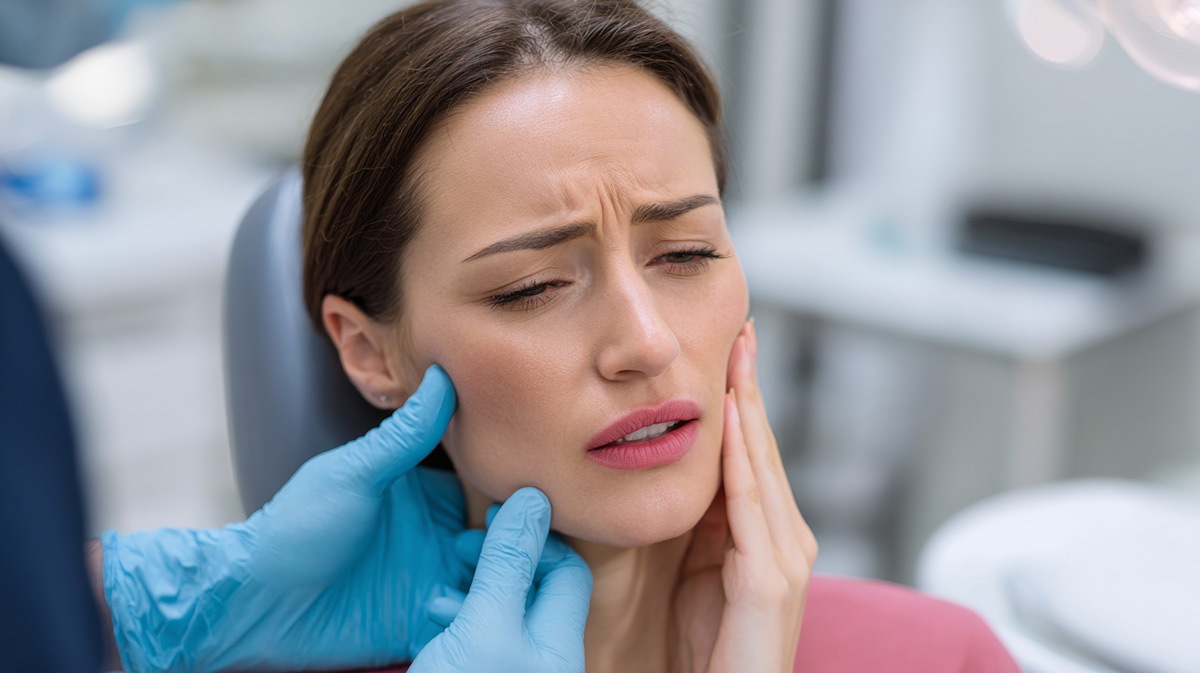
Do you dread putting on your CPAP mask every night? Perhaps you struggle with air leaks, wake up with a dry mouth, or find yourself removing the mask halfway through the night. Although continuous positive airway pressure therapy is an effective treatment for obstructive sleep apnea, some patients have difficulty incorporating it into their daily routines.
Fortunately, struggling with your CPAP machine does not mean you have to live with untreated sleep apnea. Depending on your diagnosis and individual health needs, a custom oral appliance may provide an appropriate alternative.
Oral appliance therapy uses a specially designed dental device to support an open airway during sleep. Unlike CPAP therapy, a standalone oral appliance does not require a mask, air hose, or electrical power.
If you are searching for a CPAP alternative in Priest River, Idaho, understanding how oral appliance therapy works can help you make a more informed treatment decision. At Priest River Dental, we offer custom dental appliances for appropriate patients with obstructive sleep apnea.
Why Is Sleep Apnea Treatment So Important?
Obstructive sleep apnea occurs when the upper airway repeatedly becomes partially or completely blocked during sleep. These interruptions can reduce oxygen levels and cause the brain to briefly interrupt sleep so normal breathing resumes.
Although patients may not remember these interruptions, they can occur repeatedly throughout the night. Consequently, someone with sleep apnea may wake up feeling exhausted despite spending enough time in bed.
Untreated obstructive sleep apnea is associated with several significant health concerns, including high blood pressure, cardiovascular disease, stroke, and difficulties managing blood sugar.
Additionally, excessive daytime sleepiness can affect concentration, work performance, and driving safety.
Finding an effective treatment that you can use consistently is particularly important. If your current therapy is difficult to tolerate, discussing alternatives with your healthcare providers is preferable to abandoning treatment altogether.
Why Do Some Patients Struggle With CPAP Therapy?
CPAP machines deliver a continuous stream of pressurized air through a mask to prevent the airway from collapsing during sleep. When used correctly and consistently, CPAP can be highly effective at managing obstructive sleep apnea.
However, adjusting to the equipment can be challenging for some individuals.
Common difficulties associated with CPAP therapy include:
- Discomfort from wearing a mask throughout the night.
- Air leaks around the nose or mouth.
- Dry mouth or nasal irritation.
- Feelings of claustrophobia.
- Difficulty finding a comfortable sleeping position.
- Skin irritation caused by mask straps.
- Difficulty traveling with the equipment.
- Disruptions associated with the machine, tubing, or airflow.
In many cases, adjusting mask size, humidification settings, or equipment under professional guidance can improve comfort. Therefore, patients experiencing difficulties should discuss these concerns with their sleep medicine provider.
However, when CPAP remains difficult to tolerate despite appropriate adjustments, exploring professionally recommended alternatives may be worthwhile.
What Is Oral Appliance Therapy for Sleep Apnea?
Oral appliance therapy involves wearing a custom dental device during sleep to help maintain an open airway.
One of the most commonly prescribed devices is a mandibular advancement appliance. This appliance fits over the upper and lower teeth and gently positions the lower jaw forward.
Moving the lower jaw forward can help reduce the likelihood of the tongue and surrounding soft tissues obstructing the airway. Consequently, appropriate patients may experience fewer breathing interruptions and improved sleep quality.
Unlike a traditional dental nightguard, a sleep apnea appliance is specifically designed to address sleep-related airway obstruction.
Priest River Dental provides custom oral appliances through our sleep apnea treatment services in Priest River. Dr. McKinney can evaluate your dental health and discuss whether this approach may be suitable for your diagnosed condition.
Is an Oral Appliance as Effective as a CPAP Machine?
One of the most common questions patients ask is whether a dental appliance can provide the same results as CPAP therapy.
CPAP is generally more effective at reducing breathing interruptions and improving oxygen levels, particularly in patients with severe obstructive sleep apnea.
However, oral appliance therapy can be an effective treatment for appropriately selected patients, especially those with mild to moderate obstructive sleep apnea or those who cannot tolerate CPAP.
Consistency also plays an important role in treatment effectiveness. A therapy that fits comfortably into a patient’s routine may be easier to use regularly.
Nevertheless, comfort alone does not establish whether sleep apnea is adequately controlled. Follow-up sleep testing is important to confirm the effectiveness of oral appliance therapy.
Patients should never discontinue prescribed CPAP therapy without first discussing the decision with their sleep medicine provider.
Who Is a Good Candidate for an Oral Sleep Apnea Appliance?
Oral appliance therapy is not appropriate for everyone. Your eligibility depends on the type and severity of your sleep apnea, dental health, jaw function, and other medical considerations.
You may be a candidate if:
- You have been diagnosed with obstructive sleep apnea.
- You have difficulty tolerating prescribed CPAP therapy.
- Your sleep medicine provider recommends considering an oral appliance.
- You have sufficient healthy dental support for the appliance.
- Your jaw can comfortably accommodate the required positioning.
- You are willing to attend follow-up appointments and complete recommended sleep testing.
Patients with severe gum disease, insufficient dental support, or significant jaw joint problems may require additional evaluation before treatment.
Furthermore, oral appliances are not generally used to treat central sleep apnea, a different condition involving the brain’s regulation of breathing.
Coordination between your dentist and sleep medicine provider helps determine whether oral appliance therapy is medically and dentally appropriate.
Can a Dentist Diagnose Sleep Apnea?
Dentists can recognize potential signs of sleep apnea during routine examinations. Certain oral characteristics, medical histories, and reported symptoms may indicate an increased risk of sleep-related breathing disorders.
For example, frequent morning headaches, a persistently dry mouth, loud snoring, and daytime fatigue may prompt your dentist to recommend further evaluation.
However, these symptoms alone cannot establish a diagnosis. A qualified medical provider must evaluate suspected sleep apnea, typically using an appropriate sleep study.
Depending on your circumstances, testing may take place at a sleep center or through a medically supervised home sleep apnea test.
Once a diagnosis has been established, your dentist can help provide oral appliance therapy when prescribed and appropriate.
What Happens When You Get a Custom Sleep Apnea Appliance?
Receiving a custom oral appliance involves several stages of assessment, design, fitting, and follow-up care.
Step 1: Reviewing Your Diagnosis and Medical History
The process begins by reviewing your sleep apnea diagnosis, previous treatments, medical history, and current symptoms.
If you have struggled with CPAP, explaining your specific difficulties can help your healthcare providers determine whether an alternative treatment should be considered.
Step 2: Evaluating Your Teeth and Jaw
Your dentist examines your teeth, gums, bite, and jaw movement. This evaluation helps determine whether your mouth can comfortably and securely support an oral appliance.
Existing dental concerns may need to be addressed before treatment begins. Our general dentistry services can help patients establish and maintain a healthy foundation for appliance use.
Step 3: Creating Your Custom Appliance
Dental impressions are taken to capture the shape and relationship of your teeth. This information is used to fabricate a personalized appliance designed for your mouth.
Customization is particularly important because the device needs to remain stable while maintaining an appropriate jaw position during sleep.
Step 4: Fitting and Adjusting the Appliance
Once your appliance is ready, your dentist checks its fit and explains how to insert, remove, clean, and store it.
Adjustable appliances may require gradual changes to jaw positioning to help balance treatment effectiveness with comfort.
Step 5: Confirming Treatment Effectiveness
After an appropriate adjustment period, your sleep medicine provider may arrange follow-up sleep testing to determine whether the appliance adequately controls your condition.
Ongoing dental examinations also help monitor your bite, teeth, gums, and jaw comfort.
What Are the Benefits of Oral Appliance Therapy?
For suitable patients, oral appliance therapy offers several practical advantages that may make managing obstructive sleep apnea easier.
No Mask or Air Hose
A standalone oral appliance does not require a mask or pressurized airflow. This may appeal to patients who experience discomfort or feelings of restriction while wearing CPAP equipment.
Convenient for Travel
Custom oral appliances are small enough to fit inside a protective carrying case. They do not require an electrical outlet during use, making them convenient for overnight trips, camping, and other travel activities.
Quiet Operation
Because a standalone appliance does not use a motor or air pump, it operates quietly. Effective treatment may also reduce snoring in some patients.
Potential Improvements in Daytime Function
When an oral appliance successfully reduces sleep apnea severity, patients may experience improvements in daytime alertness, sleep quality, and overall daily functioning.
However, these benefits depend on effective treatment and consistent appliance use.
Are There Side Effects of Oral Appliance Therapy?
Like other medical treatments, oral appliance therapy has potential side effects.
During the adjustment period, patients may experience increased saliva production, temporary dry mouth, tooth tenderness, or mild jaw discomfort.
Some individuals also notice temporary changes in how their teeth fit together after removing the appliance in the morning.
Long-term use can contribute to more persistent changes in tooth positioning or bite alignment. Therefore, regular dental monitoring is an important part of treatment.
If you experience significant jaw pain, persistent tooth discomfort, or difficulty wearing the appliance, contact your dentist. Adjustments or alternative treatment recommendations may be necessary.
Do not attempt to reshape or modify the appliance yourself.
Can You Buy a Sleep Apnea Mouthguard Online Instead?
Patients researching CPAP alternatives often encounter inexpensive anti-snoring mouthpieces sold online or in stores.
Although these products may appear similar to professionally prescribed sleep apnea appliances, they are not necessarily equivalent.
Generic mouthpieces may have limited customization, inconsistent retention, or inadequate adjustment capabilities. Additionally, reducing snoring does not automatically mean that breathing interruptions or low oxygen levels have been adequately addressed.
Professional guidelines favor custom, adjustable oral appliances provided under qualified dental supervision when oral appliance therapy is prescribed for obstructive sleep apnea.
Purchasing a generic device without obtaining a proper diagnosis can delay effective treatment of a potentially serious medical condition.
A professionally managed appliance offers the additional benefits of dental evaluation, individualized adjustments, and ongoing monitoring.
How Much Does an Oral Sleep Apnea Appliance Cost?
The cost of a custom sleep apnea appliance depends on the device selected, clinical evaluation, customization requirements, and anticipated follow-up care.
Unlike ordinary dental nightguards, sleep apnea appliances are medical treatment devices. Consequently, coverage may fall under medical insurance rather than traditional dental insurance.
Some medical insurance plans provide benefits for prescribed oral appliances when specific diagnostic and eligibility requirements are met. However, coverage policies, deductibles, authorization requirements, and provider participation vary.
Before starting treatment, ask your insurance provider whether oral appliance therapy is covered and what documentation is required.
You can also review our patient resources and payment options and contact our team to discuss anticipated treatment expenses.
Can You Use an Oral Appliance and CPAP Together?
In selected cases, combining an oral appliance with CPAP therapy may be considered.
By supporting the position of the lower jaw, an oral appliance may allow some patients to achieve effective treatment at a lower CPAP pressure. However, individual responses vary, and combination therapy is not appropriate for everyone.
Your sleep medicine provider must determine whether this approach is suitable and whether any changes to CPAP settings are necessary.
Patients should not independently reduce their prescribed air pressure or alternate between treatments without professional guidance.
How Do You Know if Your Sleep Apnea Appliance Is Working?
Patients may notice less snoring, fewer nighttime awakenings, improved morning energy, or reduced daytime sleepiness when treatment is effective.
However, these changes do not provide a complete picture of sleep apnea control. Some patients may feel better while continuing to experience clinically significant breathing interruptions.
Follow-up sleep testing provides objective information about breathing patterns, oxygen levels, and treatment effectiveness.
Additionally, your dentist can evaluate appliance fit and monitor changes in your teeth, bite, and jaw function.
If symptoms return or your health changes significantly, further evaluation may be recommended. Maintaining communication with both your dental and medical providers helps support effective long-term treatment.
Explore a CPAP Alternative at Priest River Dental
Managing obstructive sleep apnea should not mean choosing between uncomfortable treatment and leaving a serious medical condition unaddressed. If you struggle with CPAP therapy, a custom oral appliance may be an alternative worth discussing with your healthcare providers.
At Priest River Dental, Dr. McKinney helps patients explore personalized dental sleep apnea solutions. We welcome patients from Priest River, Oldtown, Priest Lake, Newport, Washington, and surrounding communities.
Whether you have recently received a sleep apnea diagnosis or have struggled with CPAP for years, understanding your available treatment options can help you take the next step toward more manageable care.
Looking for a sleep apnea dentist in Priest River, Idaho? Call Priest River Dental at (208) 448-2694 or Schedule a Consultation to find out whether custom oral appliance therapy may be appropriate for you.