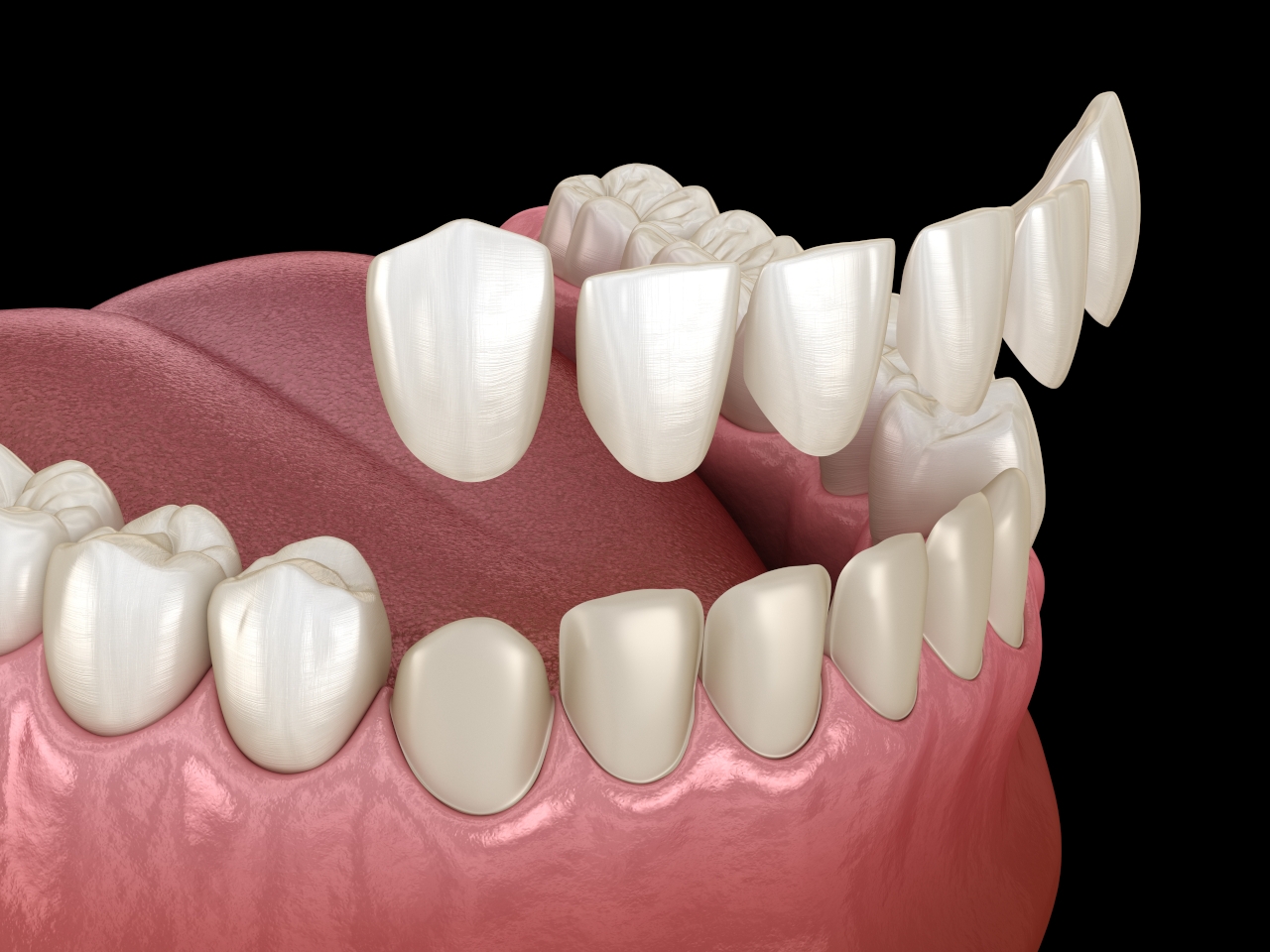
Have you recently broken a tooth, lost a large filling, or noticed discomfort whenever you chew? You might be wondering whether a filling can repair the damage or if something more substantial is necessary. Depending on the condition of your tooth, a dental crown may provide the protection and strength needed to restore comfortable function.
Dental crowns are among the most common restorative treatments used to protect weakened teeth. Unlike a filling, which repairs a specific area of damage, a crown covers the visible portion of a tooth to provide additional structural support.
However, many patients have questions before committing to treatment. How much does a dental crown cost? Does getting a crown hurt? How long will it last, and is it possible to save the tooth without one?
If you are searching for dental crowns in Priest River, Idaho, understanding your treatment options can help you make an informed decision. At Priest River Dental, we help patients from Priest River, Oldtown, Newport, and surrounding communities restore damaged teeth while preserving natural tooth structure whenever possible.
What Is a Dental Crown?
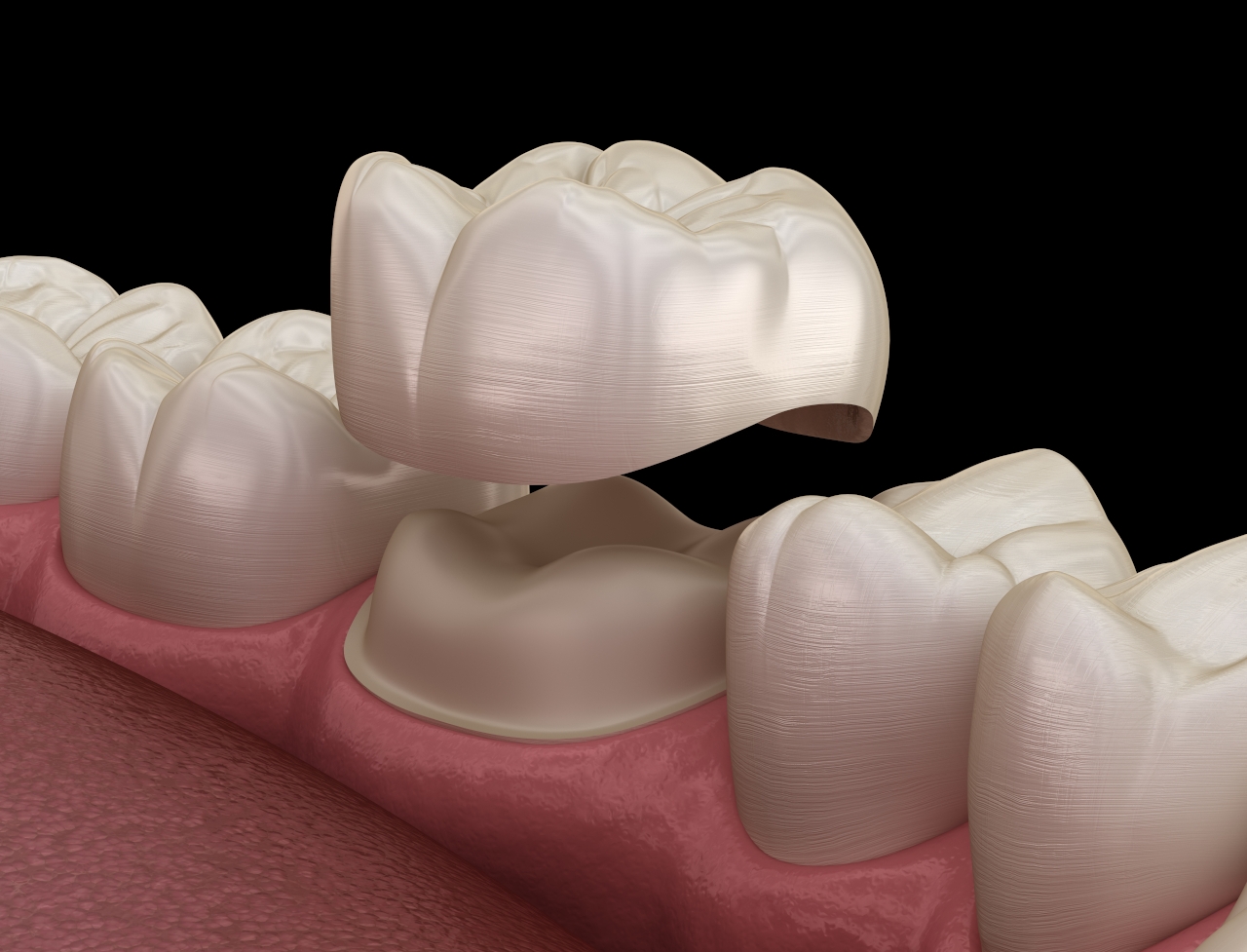
A dental crown is a custom-made restoration that fits over a prepared natural tooth. Sometimes referred to as a dental cap, it recreates the tooth’s shape, size, and chewing surface while protecting the remaining structure underneath.
Modern crowns can be made from several materials, including porcelain, ceramic, zirconia, and metal-based materials. The appropriate material depends on the tooth’s location, biting forces, available space, and individual treatment goals.
For example, a crown placed on a front tooth may prioritize natural appearance, while a crown on a back molar must also withstand substantial chewing pressure.
Dental crowns are an important part of our restorative dentistry services in Priest River. They can help preserve teeth that might otherwise become increasingly damaged or require extraction.
6 Signs You May Need a Dental Crown
Not every damaged tooth requires a crown. However, several common dental problems may indicate that additional structural protection is necessary.
1. You Have a Broken or Fractured Tooth
Breaking a tooth while eating can be unexpected and uncomfortable. Sometimes, a tooth fractures because an existing filling or cavity has weakened the surrounding structure.
Small chips may be repaired with bonding or a filling. However, larger fractures can leave the remaining tooth vulnerable to additional damage.
A dental crown may help protect the remaining structure and restore the tooth’s ability to withstand everyday chewing forces. The depth and location of the fracture will determine whether the tooth can be saved.
2. You Have a Large Cavity
When tooth decay is detected early, a filling is often sufficient to repair the affected area. However, extensive cavities can destroy a significant portion of the tooth.
If too little healthy structure remains, a large filling may not provide adequate long-term support. In these situations, a crown may offer more comprehensive protection.
Regular examinations help identify cavities before they become extensive enough to require more involved treatment.
3. An Existing Filling Keeps Breaking
Dental fillings can provide many years of service, but they eventually experience wear. Larger fillings may also leave surrounding tooth structure more susceptible to fractures.
If a filling repeatedly breaks, loosens, or needs replacement, your dentist may recommend evaluating whether a crown would provide better protection.
Rather than repeatedly repairing the same area, a crown may offer a more suitable long-term solution for a significantly weakened tooth.
4. You Recently Had Root Canal Treatment
Teeth requiring root canal treatment often have extensive decay, fractures, or large existing restorations. Consequently, the remaining tooth may need additional protection after treatment.
Dental crowns are frequently recommended for back teeth following root canal treatment because these teeth experience substantial chewing forces.
However, not every tooth that receives a root canal requires a crown. Your dentist will evaluate the remaining structure and recommend an appropriate restoration.
5. Your Teeth Have Experienced Significant Wear
Years of grinding, clenching, acid exposure, or uneven biting forces can gradually wear down natural teeth.
As tooth structure is lost, patients may experience sensitivity, changes in their bite, or difficulty chewing comfortably.
Dental crowns may help rebuild severely worn teeth in selected cases. However, identifying and managing the underlying cause of wear is equally important for protecting the new restorations.
6. You Have a Dental Implant That Needs a Restoration
Dental crowns are also used to complete single-tooth implant restorations. In this situation, the crown attaches to an implant-supported foundation rather than covering a natural tooth.
The restoration recreates the visible portion of the missing tooth, allowing patients to regain chewing function and restore the appearance of their smile.
Patients interested in replacing missing teeth can explore our dental implant services in Priest River.
Dental Crown vs. Filling: Which Treatment Do You Need?
One of the most common questions patients ask is whether a filling can repair their tooth instead of a crown.
A filling replaces a specific area of missing or damaged tooth structure. It is generally appropriate when enough healthy tooth remains to support normal function.
A dental crown provides broader coverage and may be recommended when the remaining tooth needs additional protection.
The decision depends on the size of the damaged area, existing restorations, fracture patterns, and the amount of pressure placed on the tooth during chewing.
In some cases, a partial-coverage restoration may also be considered. Your dentist will recommend an approach that balances structural protection with preserving healthy natural tooth structure.
What Happens During a Dental Crown Procedure?
Getting a dental crown typically involves several steps. Although treatment protocols vary, the process begins with evaluating the affected tooth and determining whether it can support a restoration.
Step 1: Examination and Treatment Planning
Your dentist examines the tooth and may take dental X-rays to evaluate its roots, surrounding bone, and internal health.
If decay, infection, or other complications are present, these concerns may need to be addressed before crown placement.
Step 2: Preparing the Tooth
Local anesthesia is typically used to keep the area comfortable. Damaged structure is removed, and the tooth is carefully shaped to accommodate the crown.
In some cases, additional restorative material may be needed to rebuild the tooth before the crown can be placed.
Step 3: Creating Your Custom Crown
An impression or digital scan captures the shape of the prepared tooth and surrounding teeth. This information helps create a restoration designed to fit your bite and blend with your smile.
Depending on the treatment process, a temporary crown may be placed while the permanent restoration is being made.
Step 4: Placing the Permanent Crown
Once the crown is ready, your dentist checks its fit, appearance, and biting contacts. Necessary adjustments are made before the restoration is securely attached.
The goal is to create a comfortable, functional restoration that protects the underlying tooth.
Does Getting a Dental Crown Hurt?
Patients who already have a painful tooth may understandably feel concerned about additional discomfort during treatment.
Fortunately, local anesthesia helps numb the tooth and surrounding tissues during preparation. You may notice pressure or movement, but the dental team works to keep the procedure comfortable.
After treatment, temporary sensitivity or gum tenderness may occur. These symptoms often improve as the surrounding tissues settle.
However, persistent pain, significant discomfort when biting, or worsening sensitivity should be evaluated. Sometimes, a minor bite adjustment may be necessary.
How Long Do Dental Crowns Last?
Dental crowns commonly last between five and fifteen years, although many remain functional for considerably longer with appropriate care.
The lifespan of a crown depends on several factors:
- The material used to create the restoration.
- The condition of the underlying natural tooth.
- Daily brushing and cleaning between teeth.
- Grinding or clenching habits.
- The amount of pressure placed on the crown.
- Regular professional examinations and maintenance.
Although crowns are designed to be durable, they are not immune to damage. Additionally, the natural tooth beneath a crown can still develop decay near the gumline.
Maintaining regular dental visits helps identify potential problems before they compromise the restoration.
How Much Does a Dental Crown Cost in Priest River, Idaho?
The cost of a dental crown varies depending on the material selected, the condition of the tooth, and whether additional treatment is necessary.
For example, a tooth that requires a buildup or root canal treatment before crown placement may involve additional expenses compared with a straightforward crown procedure.
Dental insurance may cover a portion of a medically necessary crown. However, coverage limits, deductibles, waiting periods, and other requirements differ between insurance plans.
Patients without dental insurance can ask about available payment arrangements and membership options. Our patient resources page provides additional information about planning your dental care.
A personalized examination and treatment estimate are the most reliable ways to understand the cost of your specific procedure.
Can You Eat Normally With a Dental Crown?
Once a permanent crown has been placed and your dentist confirms that normal eating can resume, you should generally be able to enjoy a wide variety of foods.
Nevertheless, crowns benefit from the same precautions recommended for natural teeth. Avoid chewing ice, cracking hard objects, or using your teeth to open packaging.
If you are wearing a temporary crown, your dentist may recommend avoiding particularly sticky or hard foods until the permanent restoration is placed.
A properly fitted crown should feel comfortable during normal chewing. If your bite feels uneven or the crowned tooth consistently contacts before your other teeth, contact your dental office for an evaluation.
Can a Tooth Still Get a Cavity Under a Crown?
Yes. Although the crown material itself cannot develop a cavity, the natural tooth beneath it remains susceptible to decay.
Bacteria can accumulate around the area where the crown meets the natural tooth, particularly when plaque is not removed consistently.
Over time, decay may develop along these margins and compromise the underlying structure.
Brushing with fluoride toothpaste, cleaning between teeth daily, and maintaining regular dental examinations can help protect both the crown and the tooth supporting it.
What Happens if You Delay Getting a Dental Crown?
If your dentist recommends a crown because a tooth is structurally weakened, delaying treatment may allow additional damage to occur.
A small fracture could become larger, or a weakened section of the tooth could break during normal chewing. Depending on the extent of the damage, the tooth may eventually require root canal treatment or extraction.
However, the urgency of crown placement varies. Some teeth require prompt protection, while others can be monitored or treated according to a planned schedule.
Ask your dentist to explain the risks of postponing treatment so you can make an informed decision.
Benefits of Dental Crowns
When appropriately recommended, dental crowns provide several functional and restorative benefits.
- Protect weakened teeth from additional structural damage.
- Restore comfortable biting and chewing.
- Rebuild teeth affected by extensive decay or fractures.
- Preserve natural teeth that might otherwise require removal.
- Restore the shape and appearance of damaged teeth.
- Provide support for certain dental bridges and implant restorations.
Perhaps the most important benefit is the opportunity to preserve a functional natural tooth. With proper treatment planning and ongoing maintenance, a crown can provide reliable service for many years.
When Should an Existing Dental Crown Be Replaced?
A crown does not necessarily need replacement simply because it has reached a certain age. Its condition and the health of the underlying tooth are more important than the number of years it has been in place.
However, schedule an examination if your crown becomes loose, develops a visible crack, causes persistent discomfort, or repeatedly traps food around its edges.
Additionally, changes in the surrounding gum tissue or recurring sensitivity may indicate that the restoration needs attention.
Early evaluation may help prevent further damage and determine whether the crown can be repaired or needs replacement.
Restore and Protect Your Teeth at Priest River Dental
A broken, weakened, or extensively damaged tooth does not automatically need to be removed. Dental crowns can provide the structural protection necessary to preserve natural teeth and restore comfortable chewing.
Whether you have recently fractured a tooth, need to replace an older crown, or have been advised to consider restorative treatment, a personalized examination can help you understand your options.
Priest River Dental provides restorative dental care for patients throughout Priest River, Oldtown, Newport, and surrounding communities. Our team can evaluate your damaged tooth, explain the available treatments, and help you make a decision that supports your long-term oral health.
Looking for dental crowns in Priest River, Idaho? Call Priest River Dental today at (208) 448-2694 or book an appointment online to learn how we can help restore and protect your natural teeth.