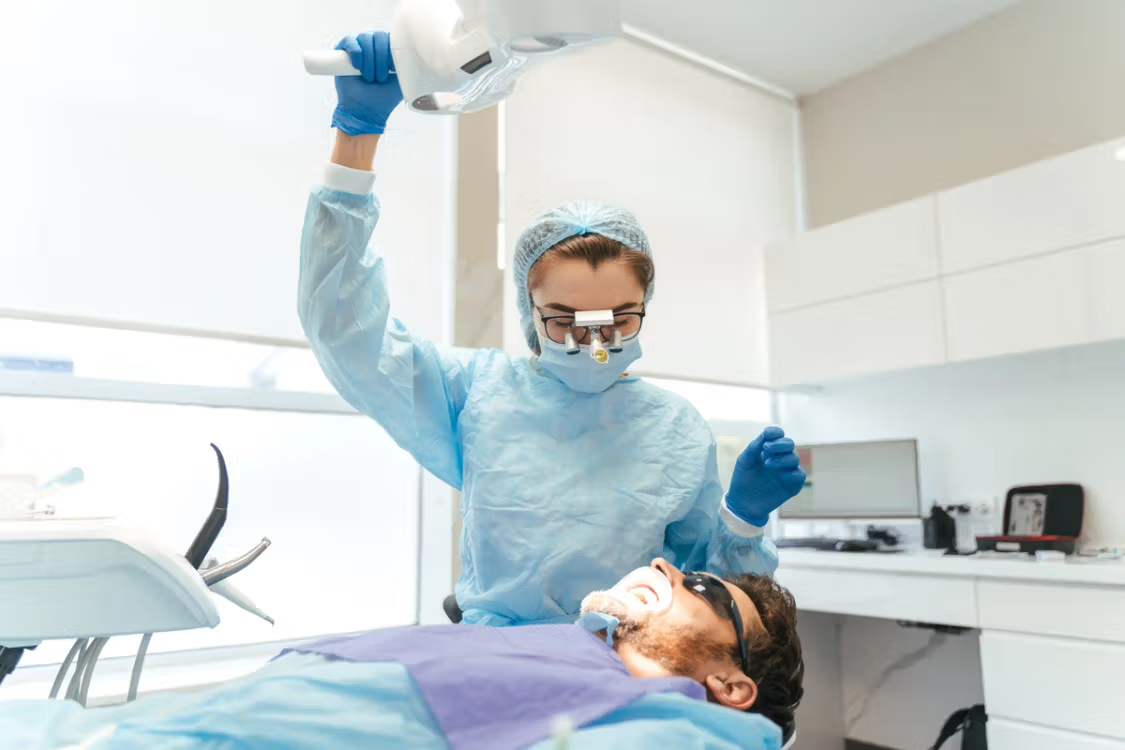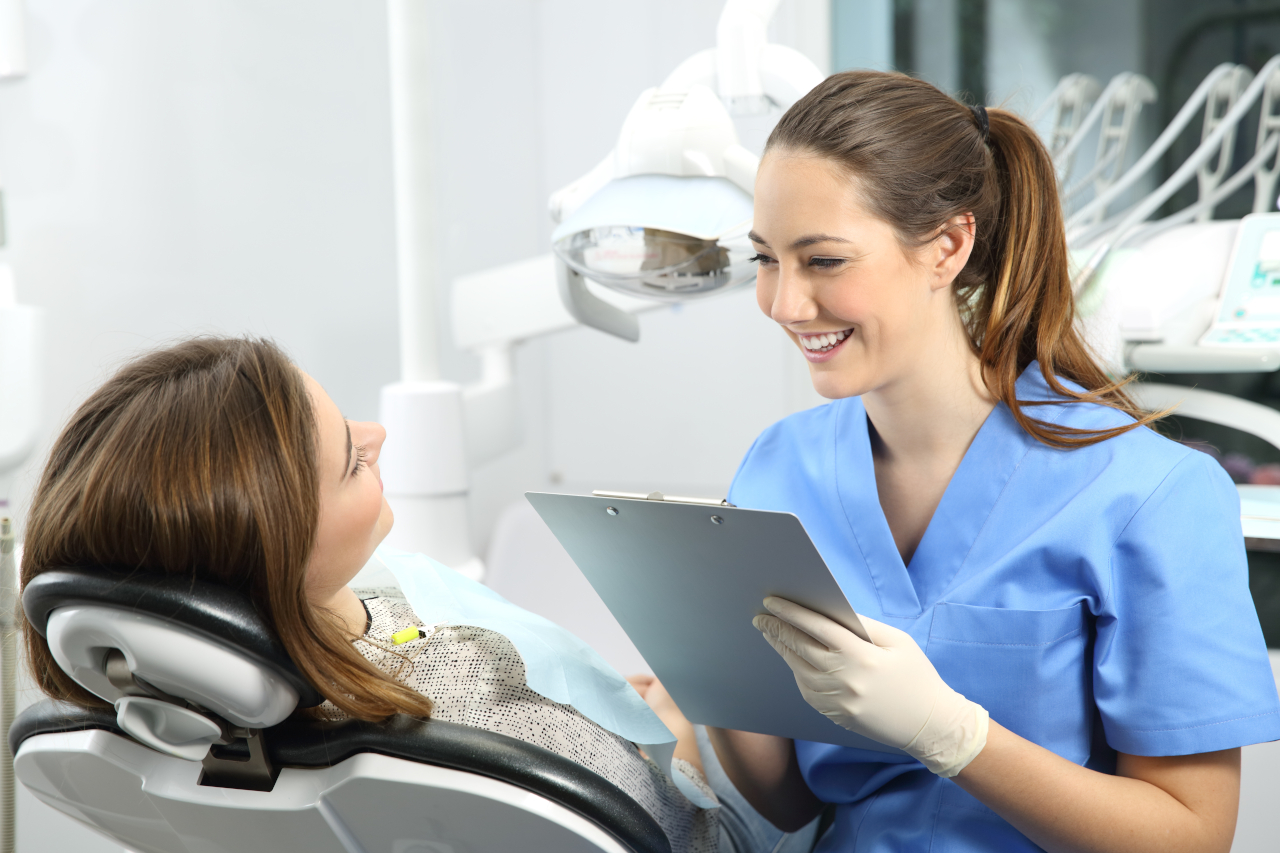
When you think about a routine dental examination, you may picture a dentist checking for cavities and a hygienist cleaning your teeth. However, regular dental visits can also include an important look at the soft tissues of your mouth. Changes involving the tongue, cheeks, lips, gums, throat, and other oral tissues may not always hurt, which makes professional evaluation valuable.
As part of general dentistry in Priest River, Priest River Dental examines patients for oral health concerns, including signs that may require further evaluation. An oral cancer screening does not diagnose cancer by itself. Instead, it helps identify unusual areas that may need monitoring, additional testing, or evaluation by an appropriate specialist.
What Is an Oral Cancer Screening?
An oral cancer screening is an examination of the mouth and nearby tissues for unusual changes. It can often be incorporated into a routine dental examination.
Your dentist may visually inspect the lips, tongue, cheeks, gums, floor of the mouth, roof of the mouth, and other accessible areas. In addition, the dentist may gently feel certain tissues to check for unusual lumps, firmness, swelling, or asymmetry.
Most changes found during a dental examination are not cancer. Mouth sores, irritation, accidental bites, infections, and other common conditions can create areas that look unusual temporarily.
However, changes that do not heal or cannot be readily explained may deserve additional attention. This is one reason oral cancer screening can be a useful part of preventive dental care.
Why Can Dentists Help Identify Oral Changes?
Dentists routinely examine the inside of the mouth under good lighting and with a clear view of areas that patients may rarely inspect themselves.
This gives dental professionals an opportunity to notice changes in color, texture, shape, symmetry, or tissue appearance. Because routine dental visits occur even when a patient feels healthy, an examination may identify something before discomfort develops.
In addition, dentists become familiar with a patient’s normal oral tissues over time. That means a new change may stand out more clearly during a future visit.
Importantly, screening is only one part of the process. If an area appears suspicious, further diagnostic steps may be necessary before anyone can determine exactly what it is.
What Areas Are Checked During an Oral Cancer Screening?
An oral examination may include several parts of the mouth and surrounding region.
- The lips and tissue lining the lips
- The inside surfaces of the cheeks
- The gums around the teeth
- The top, sides, and underside of the tongue
- The floor of the mouth beneath the tongue
- The roof of the mouth
- The area toward the back of the mouth and throat that can be visualized
- The jaw and neck when palpation is appropriate
Your dentist is not looking for one single sign. Instead, the examination evaluates whether anything appears different from surrounding healthy tissue.
What Signs May Need Further Evaluation?
Many oral changes are harmless, so seeing one of these signs does not mean someone has cancer. Nevertheless, persistent changes should not simply be ignored.
Examples that may warrant professional evaluation include:
- A sore that does not heal as expected
- An unexplained red or white patch
- A lump or thickened area
- Persistent numbness or altered sensation
- Unexplained bleeding
- A long-lasting change in the surface of the tongue or other tissue
- Difficulty swallowing that continues
- Persistent hoarseness or throat symptoms
- A change in how dentures or other oral appliances fit without a clear explanation
- Unexplained swelling in the mouth, jaw, or neck
Again, these symptoms can occur for reasons unrelated to cancer. The purpose of evaluation is to identify the cause rather than assume the worst.
How Long Should a Mouth Sore Last?
Minor mouth sores can develop after accidentally biting the cheek, eating very hot food, or experiencing irritation from a sharp tooth or dental appliance.
Many minor injuries improve as the tissue heals. However, an area that persists for roughly two weeks or does not seem to be improving should be evaluated.
A dentist can check whether ongoing irritation may be responsible. For example, a broken tooth edge, rough filling, or poorly fitting appliance may repeatedly rub the same spot.
If the appearance cannot be easily explained, referral or further testing may be appropriate.
Does an Oral Cancer Screening Hurt?
A routine visual and tactile oral screening is generally comfortable. Your dentist looks carefully at the tissues and may gently move the tongue or cheeks to improve visibility.
If an area is already sore or irritated, touching it may feel sensitive. Let your dentist know if something is uncomfortable.
The initial screening itself does not usually involve removing tissue. If additional diagnostic testing is recommended, the process can be explained separately.
Benefits of Oral Cancer Screening
Oral cancer screening adds another layer of observation to routine dental care. While screening cannot provide a definitive diagnosis by itself, it can offer several important benefits.
- Checks areas you may not routinely see: Dentists can examine the tongue, cheeks, floor of the mouth, and other areas under professional lighting.
- Provides a baseline: Regular examinations can help the dental team recognize when a tissue appearance has changed.
- Encourages earlier evaluation: Persistent or unexplained changes can be investigated rather than overlooked.
- Can be incorporated into routine care: Screening may be performed as part of a broader dental examination.
- Creates an opportunity to discuss risk factors: Patients can ask questions about tobacco, alcohol, sun exposure to the lips, and other concerns.
- Supports whole-mouth care: Dental examinations involve more than checking individual teeth.
- Helps determine whether referral is needed: If an area deserves additional testing, your dentist can recommend an appropriate follow-up.
- Promotes awareness: Patients may become more familiar with what normal oral tissues look and feel like.
Does Finding an Unusual Spot Mean It Is Cancer?
No. Many conditions can cause changes in the appearance of oral tissues.
A canker sore, accidental trauma, infection, irritation from a sharp tooth, and other benign conditions can create red, white, raised, or tender areas.
The dentist’s role during screening is to identify whether something looks unusual and decide what should happen next. Sometimes monitoring the area for healing may be appropriate. In other situations, referral to another dental or medical professional may be recommended.
A definitive diagnosis may require specialized testing, such as a biopsy, depending on the situation.
What Are Common Oral Cancer Risk Factors?
Risk can be influenced by several factors. Tobacco exposure is one well-known concern, including cigarettes and other tobacco products.
Heavy alcohol use may also increase risk, particularly when combined with tobacco. Certain human papillomavirus infections are associated with cancers in the throat and related areas.
Sun exposure can also affect the lips. In addition, age and individual health history can influence risk.
However, a person does not need to have an obvious risk factor to develop an abnormal oral condition. Therefore, changes should be evaluated based on what is present rather than dismissed solely because someone considers themselves low risk.
Can You Check Your Mouth at Home?
Self-awareness can be useful between dental visits. Occasionally look at your lips, gums, tongue, and cheeks in good lighting so you are familiar with what is normal for you.
You can also gently notice whether any new lump, sore area, or patch develops. However, avoid repeatedly poking or irritating a spot because that can make healing more difficult.
If you notice a new sore or irritated area, give it reasonable time to heal if there is an obvious minor cause. Persistent changes should be professionally evaluated.
Home checks do not replace an oral cancer screening. Some areas are difficult to see clearly, and interpreting tissue changes requires professional judgment.
What Happens if Your Dentist Finds Something Unusual?
The next step depends on what the area looks like and how long it has been present.
Your dentist may ask when you first noticed it, whether it hurts, and whether you remember biting or injuring the area. Photos or measurements may be used to monitor changes.
If the area appears likely to be caused by irritation, your dentist may address the source and recheck the tissue after healing.
If there is no clear explanation or the area has suspicious characteristics, referral for additional evaluation may be recommended.
Further evaluation does not automatically mean that a serious condition has been found. It simply means more information is needed to understand the change.
Why Are Routine Dental Visits Important Even When Nothing Hurts?
Many dental and oral health conditions can develop before significant pain occurs. Cavities, gum disease, cracked teeth, and tissue changes may all begin quietly.
Regular examinations provide an opportunity to identify concerns earlier. In addition, professional cleanings remove tartar that brushing and flossing cannot eliminate at home.
An oral cancer screening fits naturally into this preventive approach because it focuses on noticing changes rather than waiting for severe symptoms.
Routine visits also give you an opportunity to mention anything that feels different, even if it seems minor. A sore spot, rough area, change in taste, or persistent irritation may provide useful information during an examination.
Can Dentures or Dental Appliances Cause Mouth Irritation?
Yes. Dentures, retainers, nightguards, and other oral appliances can sometimes create irritation if they rub against soft tissue.
A sore caused by an appliance may improve after the source of friction is corrected. However, repeated irritation in the same location should not simply be ignored.
If a denture suddenly feels different or begins causing a sore area, schedule an evaluation. Changes in the gums, bone, appliance fit, or other structures may be contributing.
Oral cancer screening can help distinguish between tissue that appears irritated from a known cause and tissue that may require additional attention.
Can Oral Cancer Screening Be Done During a Dental Cleaning?
In many practices, evaluation of the oral tissues can be included during routine preventive visits. The exact process may vary depending on the patient’s health history and the type of appointment.
A dental cleaning focuses on removing plaque and tartar, while the examination allows the dentist to assess teeth, gums, bite, restorations, and soft tissues.
Combining preventive care with regular oral tissue evaluation helps create a more complete picture of dental health.
What Should You Tell Your Dentist During an Oral Cancer Screening?
Share any changes you have noticed, even if they are not painful. Details such as when a spot appeared, whether it has changed size, and whether it repeatedly returns can help your dentist evaluate the area.
You should also mention persistent throat symptoms, changes in swallowing, unexplained numbness, or ongoing irritation.
In addition, be open about tobacco use, alcohol use, medical conditions, medications, and previous oral health concerns. This information helps the dental team understand your overall risk profile.
How Often Should You Have an Oral Cancer Screening?
The appropriate frequency depends on your dental care schedule, health history, and individual risk factors. For many patients, oral tissue evaluation can be incorporated into regular dental examinations.
People with additional risk factors or a history of unusual oral lesions may need a different monitoring schedule.
Your dentist can recommend an appropriate interval based on your individual needs.
Frequently Asked Questions About Oral Cancer Screening
Is oral cancer screening part of a normal dental exam?
Many comprehensive dental examinations include evaluation of the soft tissues of the mouth. The exact screening process may vary according to the practice and patient’s needs.
Can a dentist diagnose oral cancer?
A dentist can identify areas that appear unusual and recommend further evaluation. A definitive cancer diagnosis generally requires appropriate diagnostic testing, which may include biopsy and specialist evaluation.
Does every mouth sore need to be checked immediately?
Minor sores often heal normally. However, a sore that lasts around two weeks, worsens, repeatedly returns in the same location, or has no obvious cause deserves professional evaluation.
Can someone without tobacco use develop oral cancer?
Yes. Tobacco is an important risk factor, but it is not the only factor. Persistent or unexplained oral changes should be evaluated regardless of tobacco history.
Can oral cancer screening prevent cancer?
Screening does not prevent cancer. Its purpose is to identify unusual changes that may deserve further evaluation.
What should I do if I find a lump in my mouth?
Schedule a professional evaluation, especially if the lump is unexplained, persistent, painful, growing, or associated with other changes.
What if an unusual spot does not hurt?
Pain is not required for an oral tissue change to deserve attention. Persistent changes should be evaluated even when they are comfortable.
Can my dentist check my tongue during screening?
Yes. The tongue, including the top, sides, and underside, is one of the areas that may be examined during an oral tissue evaluation.
Make Whole-Mouth Screening Part of Preventive Care
A healthy dental visit involves more than looking for cavities. Your gums, tongue, cheeks, lips, and other oral tissues are all part of your overall oral health. Regular evaluation provides an opportunity to identify changes, discuss concerns, and decide whether anything requires additional attention.
If it has been a while since your last dental examination, Priest River Dental can evaluate your teeth, gums, and oral tissues as part of comprehensive preventive care.
Call Priest River Dental at (208) 448-2694 or contact Priest River Dental to book a dental exam and oral cancer screening in Priest River at 6509 Hwy 2 Suite 102, Priest River, ID 83856.