Most people think of sleep as a simple nightly routine. You get tired, go to bed, wake up in the morning, and start another day. However, quality sleep is one of the most important foundations of overall health. When sleep becomes disrupted night after night, the effects can extend far beyond feeling tired the next morning.
One of the most common yet frequently undiagnosed sleep disorders is obstructive sleep apnea. While many people associate sleep apnea with loud snoring, the condition involves much more than simply making noise during sleep. Sleep apnea can affect cardiovascular health, mental well-being, energy levels, workplace performance, and even long-term quality of life.
For many individuals in Priest River, symptoms of sleep apnea may have become so common that they feel normal. Chronic fatigue, morning headaches, difficulty concentrating, and daytime drowsiness are often accepted as part of aging or a busy lifestyle. In reality, these symptoms may indicate a treatable condition that is preventing the body from receiving the restorative sleep it needs.
Understanding how sleep apnea treatment can improve health beyond better sleep may help patients recognize the importance of seeking evaluation and care before complications become more serious.
Understanding Sleep Apnea
Sleep apnea is a condition characterized by repeated interruptions in breathing during sleep. These pauses can occur dozens or even hundreds of times throughout a single night.
The most common form is obstructive sleep apnea. This occurs when the muscles and soft tissues in the throat relax excessively during sleep, partially or completely blocking the airway. When airflow stops, oxygen levels begin to decrease.
The brain responds by briefly waking the body just enough to restore breathing. These interruptions are often so short that the individual does not remember them. However, they can happen repeatedly throughout the night, preventing the body from reaching and maintaining deep restorative sleep.
As a result, many people with sleep apnea spend eight or more hours in bed but still wake up feeling exhausted.
Because the condition develops gradually, symptoms often go unnoticed for years.
Common Signs That May Indicate Sleep Apnea
Sleep apnea symptoms can vary from person to person. Some individuals experience obvious signs, while others may have symptoms that are more subtle.
Loud snoring is often the symptom people recognize first. However, not everyone who snores has sleep apnea, and not everyone with sleep apnea snores loudly.
Additional warning signs may include waking up gasping for air, morning headaches, dry mouth upon waking, excessive daytime fatigue, irritability, poor concentration, memory difficulties, and restless sleep.
Some people find themselves falling asleep while watching television, reading, or sitting quietly. Others struggle with decreased productivity at work or difficulty staying alert while driving.
In many cases, spouses or family members notice the symptoms before the individual experiencing them realizes there is a problem.
Repeated breathing interruptions during sleep are not a normal part of aging and should not be ignored.
Why Sleep Matters More Than Most People Realize
Sleep is not simply a period of rest. During sleep, the body performs countless essential functions that support physical and mental health.
The brain processes information, consolidates memories, and regulates hormones. The immune system works to repair and strengthen defenses against illness. Muscles recover from daily activity, and the cardiovascular system receives an opportunity to function under reduced stress.
When sleep becomes fragmented by repeated breathing interruptions, these processes cannot occur efficiently.
Even though a person may technically spend enough hours in bed, the quality of sleep is often severely compromised.
Over time, the cumulative effects of poor sleep can influence nearly every aspect of health.
The Connection Between Sleep Apnea and Heart Health
One of the most significant concerns associated with untreated sleep apnea is its impact on the cardiovascular system.
Every time breathing stops, oxygen levels drop. The body responds by activating stress responses designed to restore normal breathing. These repeated stress events can occur hundreds of times each night.
As this cycle continues over months and years, the heart and blood vessels may experience increased strain.
Research has shown associations between untreated sleep apnea and conditions such as high blood pressure, irregular heart rhythms, coronary artery disease, heart failure, and stroke.
When sleep apnea is treated effectively, many patients experience improvements in blood pressure management and overall cardiovascular health.
Although treatment is not a substitute for medical care, it can play an important role in supporting long-term heart wellness.
How Sleep Apnea Affects Energy Levels
Many people with sleep apnea describe a constant sense of exhaustion that never seems to improve.
They may wake up tired, rely on caffeine throughout the day, and still feel drained by the afternoon. Some individuals become so accustomed to fatigue that they forget what it feels like to be truly rested.
This persistent lack of energy can influence every aspect of daily life.
Simple tasks may feel more difficult. Exercise becomes harder to maintain. Work performance may decline. Motivation often decreases.
When treatment restores healthier breathing patterns during sleep, patients frequently notice a dramatic improvement in daytime energy.
Many report feeling more alert, productive, and engaged in activities they previously struggled to enjoy.
Cognitive Benefits of Better Sleep
The brain depends on quality sleep to function properly.
Sleep apnea can interfere with concentration, memory formation, decision-making, and mental clarity. Individuals may find themselves forgetting appointments, losing focus during conversations, or struggling to complete tasks efficiently.
Over time, chronic sleep deprivation can contribute to what many people describe as “brain fog.”
When sleep quality improves through effective treatment, cognitive performance often improves as well.
Patients commonly report better focus, improved memory, enhanced productivity, and greater mental sharpness.
These benefits can positively impact both professional responsibilities and personal relationships.
The Relationship Between Sleep Apnea and Mental Health
Sleep and mental health are closely connected.
Individuals living with untreated sleep apnea often experience increased irritability, mood swings, anxiety, and feelings of emotional exhaustion. Poor sleep can make everyday stressors feel more difficult to manage.
Research has identified links between sleep disorders and higher rates of depression and anxiety symptoms.
Although sleep apnea treatment is not designed to replace mental health care, many patients notice improvements in mood and emotional well-being once they begin receiving adequate sleep.
Feeling rested can influence how individuals respond to challenges, interact with loved ones, and approach daily life.
Weight Management and Metabolic Health
Many people are surprised to learn that sleep quality can affect metabolism.
Sleep influences hormones responsible for hunger regulation, appetite control, and energy balance. When sleep becomes disrupted, these systems may function less effectively.
Poor sleep can increase cravings for high-calorie foods while reducing motivation for physical activity. This combination can make maintaining a healthy weight more difficult.
Sleep apnea has also been associated with insulin resistance and type 2 diabetes.
While treatment alone is not a weight-loss solution, improving sleep quality may support broader health and wellness goals.
Patients often find it easier to make healthy lifestyle choices when they have more energy and feel physically refreshed.
Reducing the Risk of Accidents
Daytime drowsiness is more than an inconvenience. It can become a serious safety concern.
Fatigue impairs reaction times, decision-making abilities, and concentration. Individuals with untreated sleep apnea may be at greater risk of workplace accidents and motor vehicle collisions.
Even brief lapses in attention can have significant consequences.
Effective treatment often leads to improved alertness throughout the day, helping patients remain more focused and attentive during routine activities.
For many individuals, this increased level of alertness contributes to a greater sense of confidence and safety.
Oral Appliance Therapy: A Comfortable Alternative for Many Patients
When people hear the term sleep apnea treatment, they often think of CPAP therapy.
While CPAP remains highly effective for many individuals, it is not the only available option.
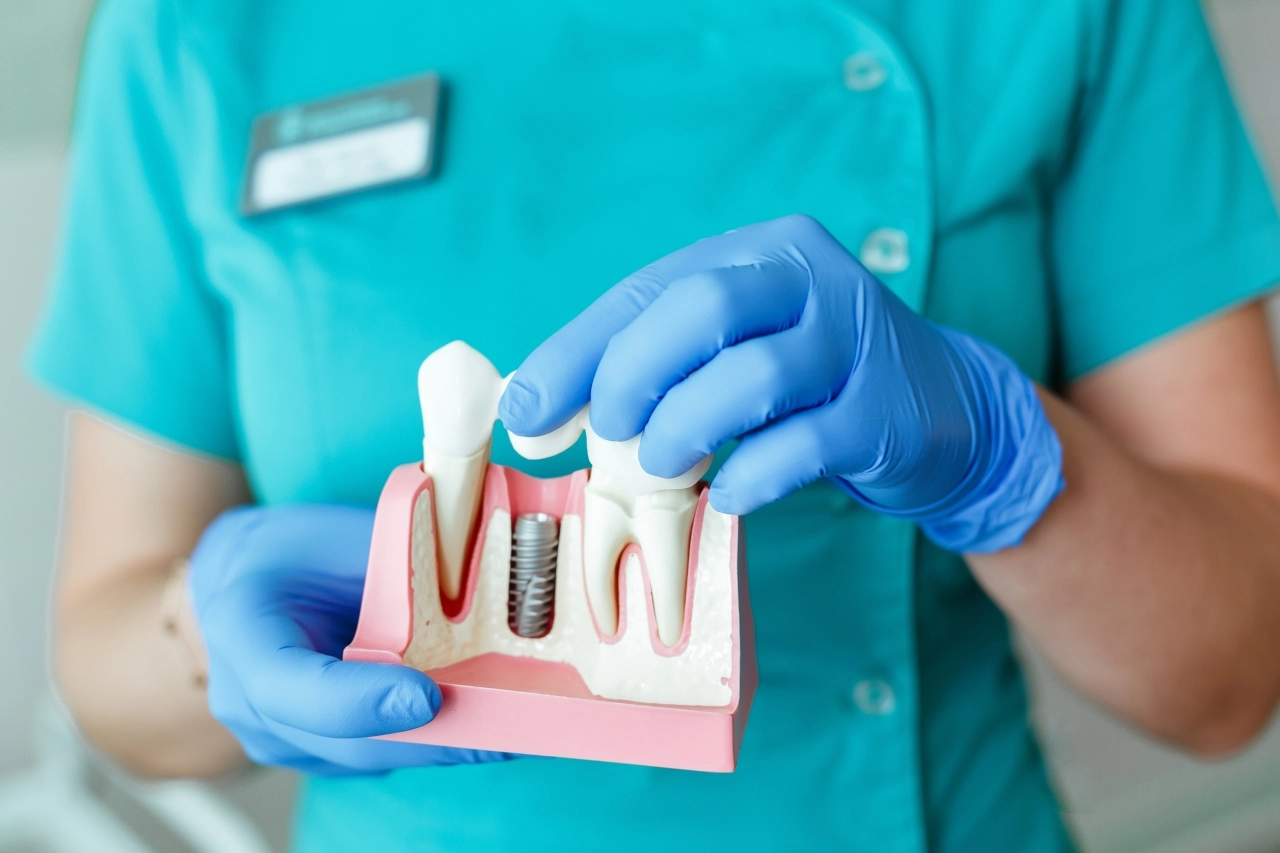
Dental sleep medicine offers oral appliance therapy as an alternative for appropriate candidates.
These custom-made devices are designed to reposition the jaw and support an open airway during sleep. Because they are small, portable, and easy to use, many patients find them more convenient than larger treatment systems.
Oral appliances can be particularly appealing for individuals who travel frequently or struggle to adapt to other forms of therapy.
A thorough evaluation helps determine whether this treatment approach is appropriate for a specific patient’s needs.
Why Early Intervention Matters
Sleep apnea rarely resolves on its own.
In many cases, symptoms gradually worsen over time. What begins as occasional snoring and mild fatigue can eventually develop into significant health concerns.
The earlier sleep apnea is identified and managed, the sooner patients can begin experiencing the benefits of healthier sleep.
Early intervention may help reduce long-term health risks while improving quality of life in the present.
Waiting for symptoms to become severe often means living with preventable fatigue, frustration, and health complications for years longer than necessary.
Benefits of Sleep Apnea Treatment
Treating sleep apnea can provide benefits that extend far beyond the bedroom.
Many patients experience improved sleep quality, increased energy, better concentration, enhanced mood, and greater daytime alertness.
Additional benefits may include healthier cardiovascular function, improved blood pressure management, reduced snoring, enhanced productivity, and improved overall wellness.
Perhaps most importantly, treatment helps restore one of the body’s most essential biological functions: restorative sleep.
When sleep improves, nearly every aspect of life can improve alongside it.
A Healthier Future Starts with Better Sleep
Quality sleep affects far more than how rested you feel in the morning. It influences heart health, brain function, emotional well-being, energy levels, safety, and long-term wellness.
Sleep apnea often develops gradually, making it easy to overlook its impact. However, the consequences of untreated sleep apnea can become increasingly significant over time.
Fortunately, effective treatment options are available. Whether through oral appliance therapy or other treatment approaches, addressing sleep apnea can help patients enjoy better sleep and better overall health.
For many individuals in Priest River, seeking evaluation for sleep apnea becomes the first step toward improved energy, greater well-being, and a healthier future.
If you experience chronic fatigue, loud snoring, morning headaches, or other symptoms associated with sleep apnea, professional evaluation may help identify the cause and provide a path toward lasting improvement.
Ready to learn more about sleep apnea treatment? Contact Priest River Dental at (208) 448-2694 to schedule a consultation and discover how better sleep can support better overall health.