<p>Hearing that you may need a tooth extraction can naturally raise questions. Is removing the tooth really necessary? Will the procedure hurt? How long does recovery take? Most importantly, could the tooth be saved instead?</p>
<p>Modern dentistry generally focuses on preserving natural teeth whenever reasonably possible. Fillings, crowns, and other restorative treatments can often repair teeth affected by damage or decay. However, there are situations when keeping a severely compromised tooth may create more problems than removing it.</p>
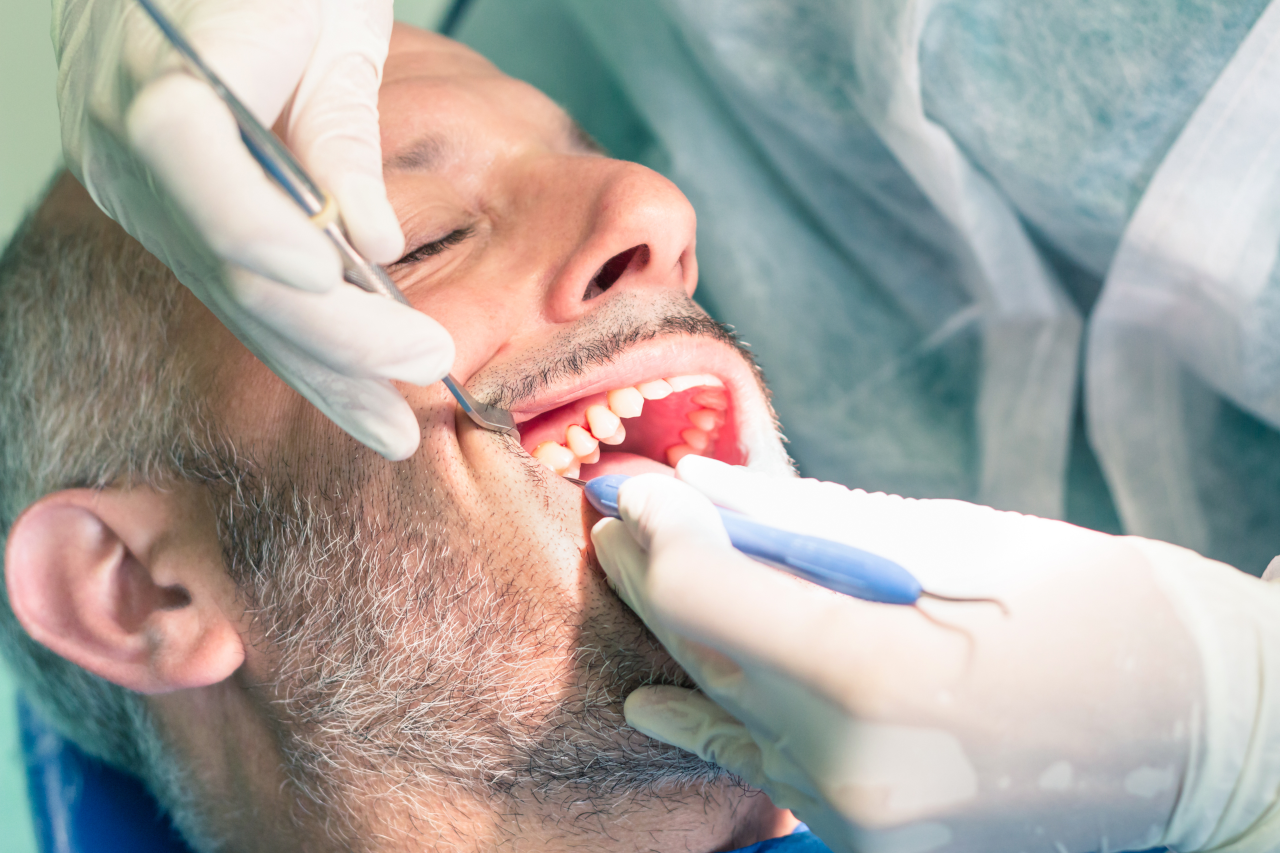
<p>A tooth extraction is a procedure used to remove a tooth from its socket. Extractions may be recommended because of extensive decay, infection, severe fractures, advanced gum disease, overcrowding, or other oral health concerns. Although the idea may sound intimidating, understanding why an extraction is recommended and what happens during treatment can make the experience much easier to approach.</p>
<p>For patients in Priest River, Oldtown, Newport, and surrounding communities, this guide explains common signs that a tooth may need to be removed, what to expect during a tooth extraction, and how to support a comfortable recovery afterward.</p>
<h2>Why Dentists Sometimes Recommend Tooth Extraction</h2>
<p>The goal of dental treatment is usually to preserve as much healthy natural tooth structure as possible. Therefore, extraction is generally considered when a tooth cannot be predictably restored or when removing it is necessary to protect the rest of the mouth.</p>
<p>For example, a small cavity may be repaired with a filling. A more extensively damaged tooth might be protected with a crown. However, if decay extends too far below the gumline or leaves too little healthy structure, restoring the tooth may no longer provide a reliable long-term result.</p>
<p>Similarly, a severe fracture may make a tooth impossible to repair predictably. In those situations, removing the compromised tooth can eliminate pain, control infection, and create an opportunity for future tooth replacement.</p>
<h2>Severe Tooth Decay</h2>
<p>Tooth decay is one of the most common reasons teeth require restorative treatment. Cavities develop when acids produced by oral bacteria gradually damage enamel and the underlying tooth structure.</p>
<p>When decay is detected early, treatment can often remain relatively conservative. However, untreated decay may continue spreading deeper into the tooth.</p>
<p>Eventually, a large portion of the tooth may become weakened or destroyed. If there is not enough healthy structure remaining to support a filling, crown, or another restoration, extraction may become the safest option.</p>
<p>This is one reason regular dental examinations are so valuable. Detecting decay before pain develops can provide more opportunities to preserve the natural tooth through <a href=”https://priestriverdental.com/our-services/restorative-dentistry/“>restorative dentistry</a>.</p>
<h2>A Severe Tooth Infection</h2>
<p>When bacteria reach the inner portion of a tooth, an infection may develop. Patients can experience throbbing pain, sensitivity, swelling, tenderness when biting, or drainage near the gums.</p>
<p>Depending on the condition of the tooth, treatment may sometimes allow it to be preserved. However, if the infection is extensive and the tooth cannot be restored predictably, removal may be recommended.</p>
<p>Dental infections should not be ignored simply because the pain temporarily improves. In some cases, pressure decreases when an infection drains or the nerve inside the tooth stops responding. Nevertheless, the underlying infection may remain.</p>
<p>Prompt evaluation is especially important when dental pain occurs with facial swelling, fever, or difficulty swallowing. Rapidly increasing swelling or problems breathing or swallowing require emergency medical attention.</p>
<h2>A Tooth That Is Cracked Beyond Repair</h2>
<p>Teeth are remarkably strong, but they can still fracture. Cracks may develop after an accident, from biting something hard, because of repeated grinding, or around a large existing restoration.</p>
<p>Some cracks can be treated successfully. However, a fracture that extends deeply below the gumline or through the root may make predictable restoration impossible.</p>
<p>Symptoms of a cracked tooth can include sharp pain while chewing, sensitivity to temperature, or discomfort when releasing pressure after biting.</p>
<p>Because fractures may become larger with continued use, early evaluation is important. Avoid chewing hard foods on a tooth that suddenly becomes painful until a dentist can examine it.</p>
<h2>Advanced Gum Disease</h2>
<p>Healthy gums and jawbone provide the foundation that keeps teeth stable. Advanced periodontal disease can gradually destroy these supporting structures.</p>
<p>As bone support decreases, teeth may become increasingly mobile. In severe cases, a tooth may become so loose that preserving it is no longer practical.</p>
<p>Removing a severely compromised tooth may become part of a larger treatment plan designed to control disease and restore oral function.</p>
<p>Fortunately, gum problems do not usually become advanced overnight. Regular <a href=”https://priestriverdental.com/our-services/general-dentistry/“>general dentistry</a> visits can help identify gum inflammation and bone changes earlier.</p>
<h2>Impacted or Problematic Wisdom Teeth</h2>
<p>Wisdom teeth are the final permanent molars to develop, usually toward the back of the mouth. Some people have enough room for these teeth to emerge normally, while others experience complications.</p>
<p>A wisdom tooth may become impacted beneath the gum or jawbone. Alternatively, it may emerge only partially, creating an area where bacteria and food debris are difficult to remove.</p>
<p>Problematic wisdom teeth may contribute to recurring pain, swelling, gum infections, decay, or damage to neighboring teeth.</p>
<p>When a wisdom tooth repeatedly causes problems or presents a significant risk to surrounding structures, removal may be recommended through <a href=”https://priestriverdental.com/our-services/oral-surgery/“>oral surgery</a>.</p>
<h2>Overcrowding and Orthodontic Treatment</h2>
<p>In some cases, teeth are healthy but there is simply not enough room in the dental arch to position them properly.</p>
<p>When significant crowding is present, selected teeth may occasionally be removed as part of an orthodontic treatment plan. Creating additional space can allow the remaining teeth to move into healthier positions.</p>
<p>Extraction for orthodontic purposes is highly individualized. Not every patient with crowded teeth needs a tooth removed, and modern orthodontic techniques provide multiple approaches depending on the case.</p>
<h2>Common Signs You Should Have a Tooth Evaluated</h2>
<p>Only a dental examination can determine whether extraction is necessary. Nevertheless, certain symptoms should prompt you to schedule an evaluation.</p>
<ul> <li>Severe or persistent tooth pain</li> <li>Throbbing discomfort that interrupts sleep</li> <li>Swelling around a tooth or along the jaw</li> <li>Pain when biting or chewing</li> <li>A tooth that feels unusually loose</li> <li>A large visible fracture</li> <li>Drainage or an unpleasant taste near a painful tooth</li> <li>Recurring problems around a wisdom tooth</li> <li>A tooth that has broken near or below the gumline</li> </ul>
<p>These symptoms do not automatically mean a tooth must be removed. Some conditions can be treated while preserving the natural tooth. However, delaying evaluation may allow the problem to become more complicated.</p>
<h2>What Happens Before a Tooth Extraction?</h2>
<p>Before recommending extraction, the dentist evaluates the tooth and surrounding tissues. Dental X-rays may be taken to examine the roots, supporting bone, nearby teeth, and other structures that cannot be seen directly.</p>
<p>Your medical history is also important. Tell the dental team about medications, allergies, health conditions, and previous reactions to dental treatment.</p>
<p>Once the examination is complete, the dentist can explain why extraction is recommended and whether alternatives are available.</p>
<p>If the tooth needs to be replaced afterward, discussing those options before extraction may also be useful. Planning ahead can help coordinate healing and future restorative treatment.</p>
<h2>What Happens During a Tooth Extraction?</h2>
<p>The exact procedure depends on the tooth’s location, root shape, condition, and whether it has fully emerged through the gums.</p>
<p>Local anesthetic is typically used to numb the tooth and surrounding tissues. Patients may notice pressure or movement during the procedure, but the goal is to keep the area comfortable.</p>
<p>A straightforward extraction involves carefully loosening the tooth from its supporting tissues and removing it from the socket.</p>
<p>A surgical extraction may be necessary when a tooth is impacted, broken beneath the gumline, or otherwise difficult to access. In these situations, additional steps may be required to reach and remove the tooth safely.</p>
<p>Patients who feel particularly nervous about treatment should discuss their concerns beforehand. Appropriate patients may benefit from <a href=”https://priestriverdental.com/our-services/sedation-dentistry/“>sedation dentistry</a> during certain procedures.</p>
<h2>What Should You Expect Immediately After Extraction?</h2>
<p>After the tooth is removed, a blood clot begins forming inside the socket. This clot plays an important role in protecting the area during early healing.</p>
<p>Your dental team will provide specific instructions based on the procedure. Follow those directions carefully, even if you feel relatively comfortable immediately afterward.</p>
<p>Some tenderness, swelling, or minor bleeding can occur during the early recovery period. The amount varies depending on the type of extraction and individual healing response.</p>
<p>Plan to take it easy after the procedure. Avoid strenuous activity until your dental team says it is appropriate to resume your normal routine.</p>
<h2>How to Protect the Extraction Site</h2>
<p>Protecting the blood clot is one of the most important priorities during early recovery.</p>
<p>Avoid vigorous rinsing, forceful spitting, or repeatedly touching the socket with your tongue or fingers. You should also follow your dentist’s instructions regarding drinking through straws, smoking, and other activities that may disturb the healing area.</p>
<p>Continue keeping the rest of your mouth clean, but be gentle around the extraction site. Your dental team will explain when and how to resume normal brushing in that area.</p>
<h2>What Should You Eat After a Tooth Extraction?</h2>
<p>Soft foods are generally easier to manage during early recovery. Choose foods that require minimal chewing and are not extremely hot.</p>
<p>Depending on your instructions, options may include yogurt, eggs, mashed vegetables, soft pasta, applesauce, or similar foods.</p>
<p>Avoid crunchy foods, hard snacks, seeds, and other items that could irritate the extraction site. Additionally, try to chew away from the healing area when possible.</p>
<p>As comfort improves, foods can gradually be reintroduced according to your dentist’s recommendations.</p>
<h2>How Long Does Tooth Extraction Recovery Take?</h2>
<p>Healing time varies depending on the complexity of the extraction, the tooth involved, and the patient’s overall health.</p>
<p>Many patients notice meaningful improvement in discomfort and swelling during the first several days. However, deeper healing of the socket and jawbone continues for much longer.</p>
<p>A surgical extraction may require a different recovery timeline than a straightforward extraction. Therefore, follow the instructions provided specifically for your procedure rather than relying on someone else’s experience.</p>
<h2>When Should You Contact the Dentist During Recovery?</h2>
<p>Some discomfort is expected after an extraction, but symptoms should generally move toward improvement.</p>
<p>Contact the dental office if pain becomes significantly worse rather than better, bleeding cannot be controlled, swelling increases unexpectedly, or you develop fever, drainage, or another concerning symptom.</p>
<p>Severe pain that develops several days after extraction may sometimes indicate a complication that requires professional attention.</p>
<p>When in doubt, calling the office is preferable to trying to determine the cause yourself.</p>
<h2>What Happens to the Space After a Tooth Is Removed?</h2>
<p>Not every extracted tooth needs replacement. Wisdom teeth, for example, are generally removed without replacing them.</p>
<p>However, when a functional permanent tooth is removed, leaving the space untreated can allow neighboring teeth to shift. Bone in the area may also gradually decrease because the natural root is no longer present.</p>
<p>Depending on the situation, replacement options may include a bridge, removable restoration, or <a href=”https://priestriverdental.com/our-services/dental-implants/“>dental implants</a>.</p>
<p>Dental implants are particularly notable because they replace the root portion of a missing tooth as well as supporting a visible restoration.</p>
<p>Your dentist can explain whether replacement is recommended and when treatment should begin.</p>
<h2>Benefits of Timely Tooth Extraction When a Tooth Cannot Be Saved</h2>
<p>Removing a natural tooth is never a decision that should be made casually. However, when a tooth is severely damaged or infected and cannot be restored predictably, timely extraction can provide important benefits.</p>
<p>Removing the source of infection or persistent pain can improve comfort and protect surrounding oral structures. Furthermore, extraction can create the foundation for a planned tooth-replacement solution when appropriate.</p>
<p>Timely treatment can also prevent patients from repeatedly relying on temporary pain relief while the underlying condition continues to worsen.</p>
<p>The key is receiving an accurate diagnosis. A painful tooth does not automatically need extraction, but a tooth that cannot be saved should not remain untreated simply because removal sounds intimidating.</p>
<h2>Take the Next Step Toward a Healthier Smile</h2>
<p>If you have persistent tooth pain, swelling, a severely damaged tooth, or recurring problems around a wisdom tooth, a dental evaluation can help determine what is happening and whether the tooth can be preserved.</p>
<p>When extraction is necessary, understanding the procedure and recovery process can make treatment feel far more manageable. More importantly, addressing a compromised tooth can relieve discomfort and help protect the health of the rest of your smile.</p>
<p>Priest River Dental provides oral surgery, restorative dentistry, and tooth-replacement options for patients in Priest River and surrounding communities. Your treatment plan can be tailored to the condition of your tooth, your comfort needs, and your long-term goals.</p>
<p>If you think you may need a tooth extraction, contact Priest River Dental at <a href=”tel:+12084482694″>(208) 448-2694</a> or <a href=”https://priestriverdental.com/contact-us/“>Contact Us</a> to request an appointment. Don’t wait for a painful tooth to become a larger problem—<a href=”tel:+12084482694”>Call Us Today</a> to schedule an evaluation.</p>
<script type=”application/ld+json”> { “@context”: “https://schema.org“, “@type”: “BlogPosting”, “headline”: “When Is a Tooth Extraction Necessary? Signs, Procedure, and Recovery”, “description”: “Learn when tooth extraction may be necessary, common warning signs, what happens during the procedure, recovery tips, and tooth replacement options.”, “author”: { “@type”: “Organization”, “name”: “Priest River Dental”, “url”: “https://priestriverdental.com/” }, “publisher”: { “@type”: “Organization”, “name”: “Priest River Dental”, “url”: “https://priestriverdental.com/” }, “mainEntityOfPage”: { “@type”: “WebPage”, “@id”: “https://priestriverdental.com/” }, “about”: [ “Tooth Extraction”, “Oral Surgery”, “Dental Extraction”, “Tooth Removal” ], “keywords”: [ “tooth extraction Priest River”, “tooth removal Priest River”, “oral surgery Priest River”, “signs you need a tooth extraction”, “Priest River Dental” ], “inLanguage”: “en-US” } </script>