There are plenty of ways to improve a smile, but not all of them fit real life. Maybe you’ve got a couple of teeth that never looked quite right, or a small chip that keeps catching your eye in photos. Veneers are designed for exactly those situations—targeted, natural-looking changes that can make your smile look more even and balanced without turning your day-to-day into a long dental project.
What Veneers Are And What They’re Not
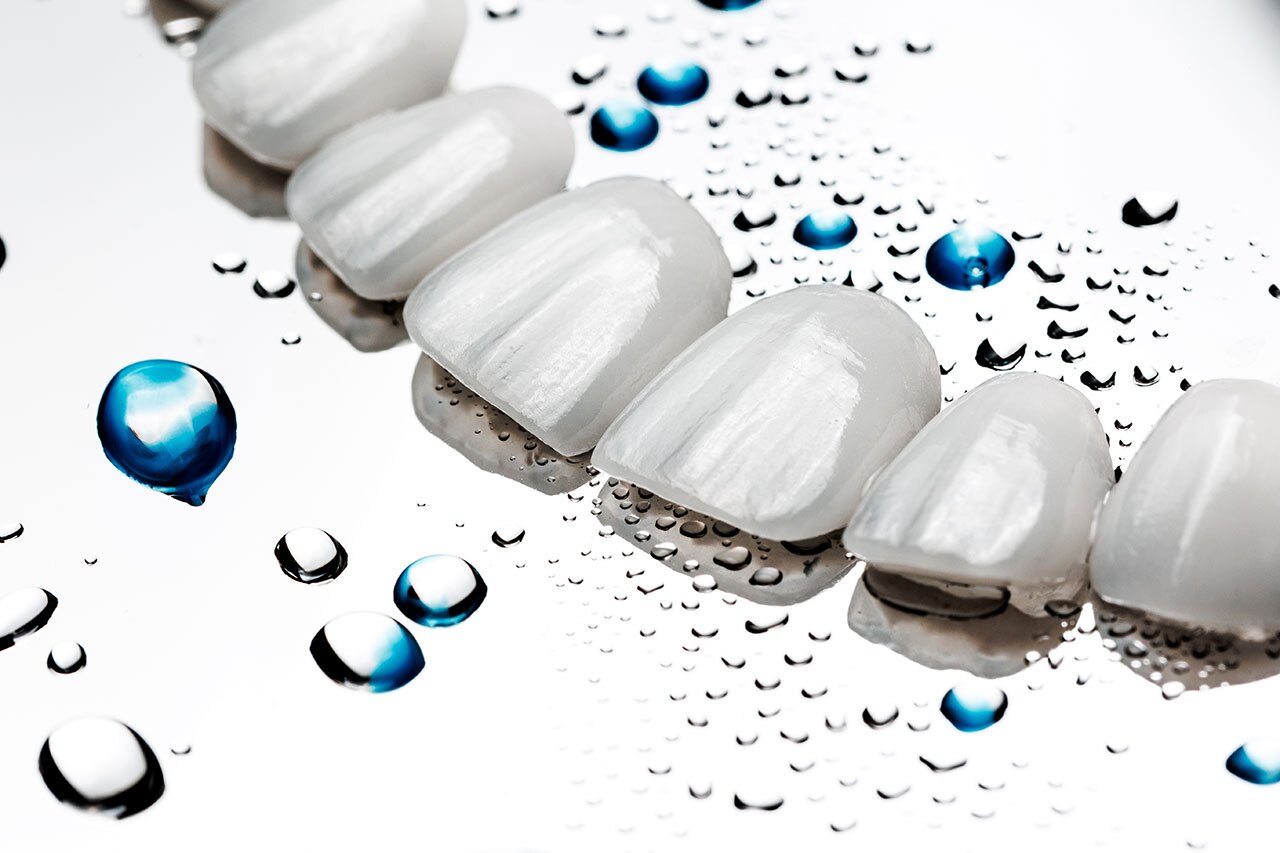
Veneers are thin, custom-made covers that bond to the front surface of a tooth. Think of them as a carefully crafted “new face” for the tooth. Veneers can change how a tooth looks in shape, color, and overall harmony with the teeth around it. Because they cover the front of the tooth, veneers are often used when the main goal is cosmetic improvement, not rebuilding a tooth that is badly broken.
At the same time, veneers are not a one-size-fits-all shortcut. Veneers don’t “fix” gum disease, untreated cavities, or ongoing teeth grinding. They also aren’t meant for every tooth in every mouth. The best veneer results come from choosing the right patients, the right teeth, and the right plan.
When people talk about veneers, they’re usually thinking of porcelain veneers because porcelain is known for a lifelike look and a stain-resistant surface. In some situations, a tooth-colored resin veneer may be considered. The right choice depends on your goals, your bite, and what your natural teeth look like today.
When Veneers Make Sense
Veneers are popular because they can address several common smile concerns at once. Veneers may be a good fit when you want to improve:
- Small chips or worn edges that make teeth look uneven
- Stubborn discoloration that doesn’t respond well to whitening
- Slight spacing between teeth
- Mildly uneven tooth shape or size
- Teeth that look slightly crooked, when the bite is otherwise stable
One of the most important parts of veneer planning is understanding what you want to change and what you want to keep. Many people want a brighter, more uniform look, but still want the smile to feel like “them.” Veneers can be designed to look bold and bright, or subtle and natural. The best veneer work is the kind that doesn’t look like dental work at all.
It’s also worth noting that veneers aren’t always the first option. If the main issue is tooth position, clear aligners may be the better tool. If a tooth has a large filling or a crack, a crown might offer more strength. Veneers are excellent for cosmetic improvement, but the plan should match the problem.
The Veneers Process: What To Expect Step By Step
Getting veneers is typically a process with a few key phases, each designed to protect your teeth while creating a final result that looks and feels right.
First, there’s a consultation and planning visit. This is where goals are discussed: tooth color, tooth length, symmetry, and overall smile design. Photos, digital scans, or impressions may be used to help plan the veneer shape and shade.
Next comes tooth preparation. This usually involves removing a small amount of enamel from the front of the tooth so the veneer can fit smoothly and look natural. How much enamel is needed depends on the case and the type of veneer. The goal is always to be conservative while still creating a result that doesn’t look bulky.
After preparation, an impression or scan is taken so the veneers can be made. If needed, temporary veneers may be placed while the final veneers are being created. Temporaries protect the teeth and give you a preview of shape and size in everyday life.
Finally, the veneers are bonded in place. The tooth surface is carefully cleaned and prepared, and a dental bonding material is used to secure each veneer. Small adjustments are made so the bite feels comfortable. Once the fit and feel are right, the veneers are polished so they blend with the surrounding teeth.
Benefits Of Veneers
Veneers are popular for good reasons. When planned and placed correctly, veneers can offer benefits that patients notice right away and appreciate for years.
- Natural-looking improvement: Veneers can mimic the light reflection and texture of natural enamel, helping the smile look bright without looking fake.
- A balanced, even appearance: Veneers can correct small shape differences that make teeth look uneven or mismatched.
- A boost in confidence during everyday moments: Many patients find themselves smiling more freely in photos, conversations, and social settings.
- Stain resistance with porcelain veneers: Porcelain is known for holding its shade well, which can help veneers stay bright over time.
- A focused approach: Veneers can target specific teeth, so you don’t have to overhaul your entire smile to make a noticeable change.
The key is that veneers are customized. That customization is what allows the final smile to look like it naturally belongs to your face.
How To Make Veneers Last
Veneers are strong, but they still need common-sense care. The best way to protect veneers is to protect the teeth and gums around them. Good daily habits matter.
Brush gently but thoroughly twice a day, and clean between teeth daily. Veneers don’t get cavities, but the tooth underneath can. Keeping the gumline clean helps prevent irritation and keeps the edges of the veneers looking smooth and healthy.
If you grind your teeth at night, a nightguard can be a smart investment. Grinding can chip natural teeth and can also stress veneers. It’s also wise to avoid using teeth as tools—opening packages, biting fingernails, or chewing ice can damage natural enamel and can damage veneers too.
Regular dental visits are important as well. Checkups allow your dentist to watch for early signs of wear, gum changes, or bite issues that could affect veneer longevity.
Common Questions People Ask Before Choosing Veneers
Will veneers feel bulky?
Properly designed veneers should feel smooth and natural. If they feel thick, that can be a sign the design needs adjustment. Good planning is what prevents that “too big” look and feel.
Do veneers look “too perfect”?
They don’t have to. Veneers can be made with natural features like slight translucency and gentle edge texture. The goal is a healthy, attractive smile—not a copy-and-paste look.
Can veneers be done on one tooth?
Sometimes, yes. It depends on the color match and the location of the tooth. In many cases, small smile improvements involve a few teeth rather than a full set.
What if I want a whiter smile overall?
Many patients whiten their natural teeth before choosing a veneer shade. That way, the veneers and natural teeth can match a brighter goal.
Bringing It All Together
Veneers are a powerful option when you want a smoother, brighter, more even-looking smile without a complicated or drawn-out process. The best veneer results come from thoughtful planning, realistic goals, and careful attention to how the final teeth fit your face, your bite, and your daily habits. When veneers are chosen for the right reasons and cared for properly, they can be a simple and rewarding way to refresh your smile.
Ready to see if veneers are the right fit for your goals? Contact Priest River Dental in Priest River, ID at 208-448-2694 to schedule a consultation and get a plan that feels clear, comfortable, and tailored to you.