A good night of sleep is supposed to recharge you. But if you wake up tired, get sleepy in the afternoon, or hear frequent complaints about loud snoring, it may not be “just stress” or “getting older.” Sleep apnea is a real health condition that can quietly affect your energy, your mood, and even your long-term wellness. The surprising part is that a dental office can play an important role in helping identify sleep apnea and, for many patients, providing a comfortable treatment option.
What Sleep Apnea Is In Plain Language
Sleep apnea happens when breathing repeatedly slows or stops during sleep. These pauses can last a few seconds or longer, and they can happen many times per hour. When breathing stops, the body has to work harder to start breathing again. That can pull you out of deep sleep, even if you don’t fully wake up and remember it.
The most common type is obstructive sleep apnea. In obstructive sleep apnea, the airway becomes blocked during sleep. Often, the tongue and soft tissues relax and fall back, narrowing the breathing space. If the airway gets too narrow, airflow drops and breathing pauses.
Common signs of sleep apnea include:
- Loud snoring (not always, but often)
- Waking up gasping or choking
- Morning headaches
- Dry mouth when you wake up
- Feeling tired even after a full night in bed
- Trouble focusing during the day
- Irritability or mood changes
Why Sleep Apnea Matters Beyond Snoring
It’s easy to brush off sleep apnea as “bad sleep,” but untreated sleep apnea can affect more than your energy level. When your oxygen drops repeatedly during the night, your body responds with stress signals. Over time, that stress can add up.
Sleep apnea has been linked to problems like:
- High blood pressure
- Heart strain
- Increased risk of certain heart and circulation issues
- Daytime drowsiness that can raise accident risk
- Problems with focus, memory, and overall quality of life
This doesn’t mean you should panic if you suspect sleep apnea. It means it’s worth taking seriously and getting evaluated. The goal is to protect your health and help you feel better day to day.
How A Dentist Can Help With Sleep Apnea
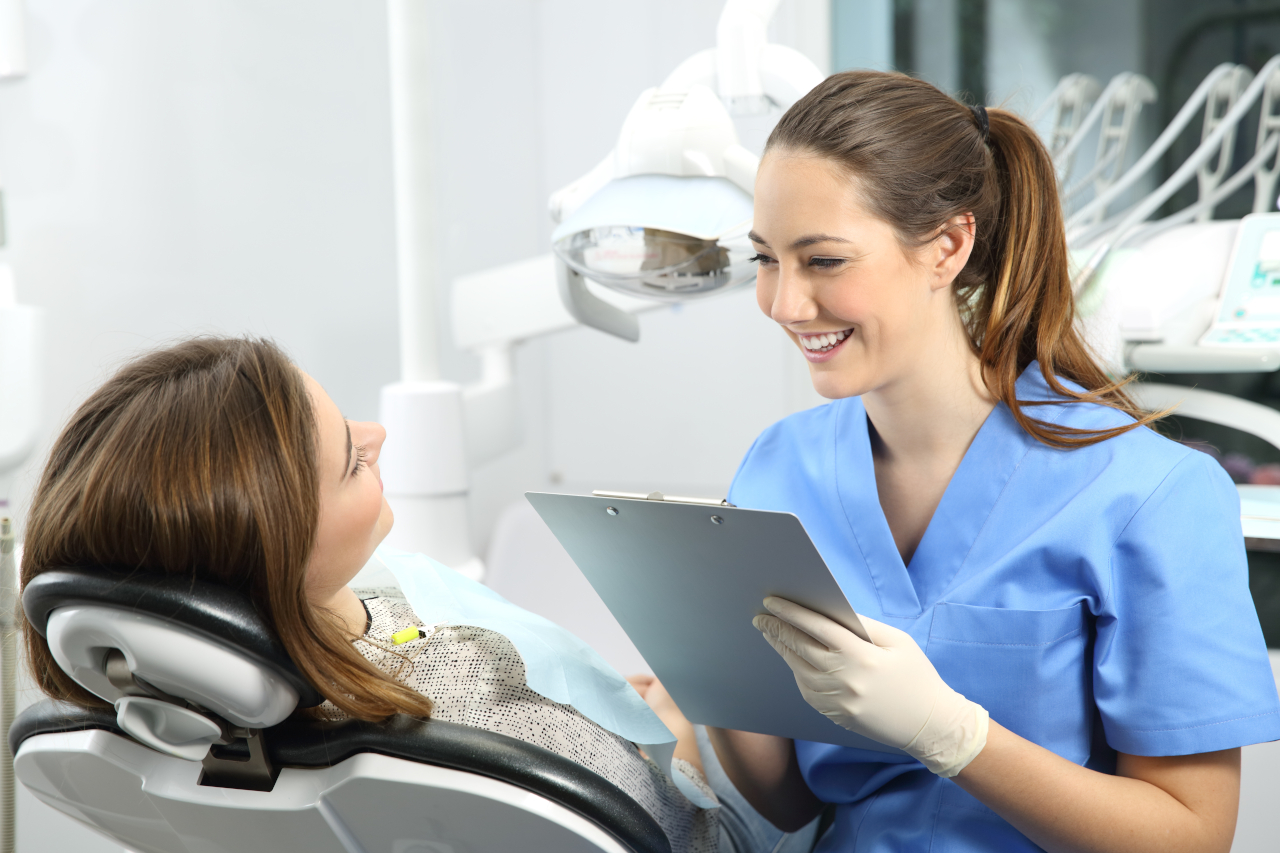
Many people are surprised to learn that dentists can help with sleep apnea. A dentist can’t diagnose sleep apnea alone without the proper medical evaluation, but a dental office can be a great place to spot warning signs and guide you toward the right next steps.
A dentist may notice:
- Signs of grinding or clenching
- A narrow airway space
- Jaw position that may affect the airway
- Tooth wear patterns that suggest disrupted sleep
- Reports of snoring, waking up tired, or frequent nighttime waking
If sleep apnea is suspected, the next step is usually a sleep evaluation. This may involve a sleep study ordered through a medical provider. A sleep study confirms whether sleep apnea is present and how severe it is. Once you have results, your dentist and physician can work together to choose a treatment plan that fits your needs.
Dental Treatment For Sleep Apnea: Oral Appliance Therapy
For many patients with mild to moderate obstructive sleep apnea, a custom oral appliance can be an effective option. Oral appliance therapy involves a small, custom-made device that fits over the teeth. It is worn at night to help keep the airway open.
Most oral appliances work by gently moving the lower jaw forward. That forward position can help prevent the tongue and soft tissues from collapsing backward and blocking the airway. The goal is smoother airflow, fewer breathing pauses, and better-quality sleep.
People often like oral appliances because they can be:
- More portable than many other options
- Quiet and easy to travel with
- Simple to use once you get used to it
- Comfortable for patients who struggle with other therapies
Benefits Of Treating Sleep Apnea
Treating sleep apnea is about more than “sleeping better.” It can improve how you feel and function every single day. Benefits many patients notice when sleep apnea is treated effectively include:
- More energy in the morning: Better breathing can mean more restorative sleep.
- Improved focus and mood: Quality sleep supports concentration, patience, and emotional balance.
- Less snoring: Many patients and their partners appreciate a quieter night.
- Better overall health support: Treating sleep apnea can reduce ongoing stress on the body.
- A treatment option that fits your lifestyle: For oral appliance therapy, many patients like the convenience and simplicity.
Bringing It All Together
Sleep apnea is common, often overlooked, and absolutely worth addressing. If you’re snoring loudly, waking up tired, or struggling with daytime sleepiness, it’s not something you have to “push through.” With the right evaluation and a tailored plan, sleep apnea treatment can improve your sleep, your energy, and your long-term health. For many patients, a custom dental oral appliance can be a comfortable, practical option that fits real life.
If you’re concerned about sleep apnea and want guidance on your next step, contact Priest River Dental in Priest River, ID at 208-448-2694 to schedule a consultation and learn whether a dental sleep apnea option could help you sleep and feel better.